
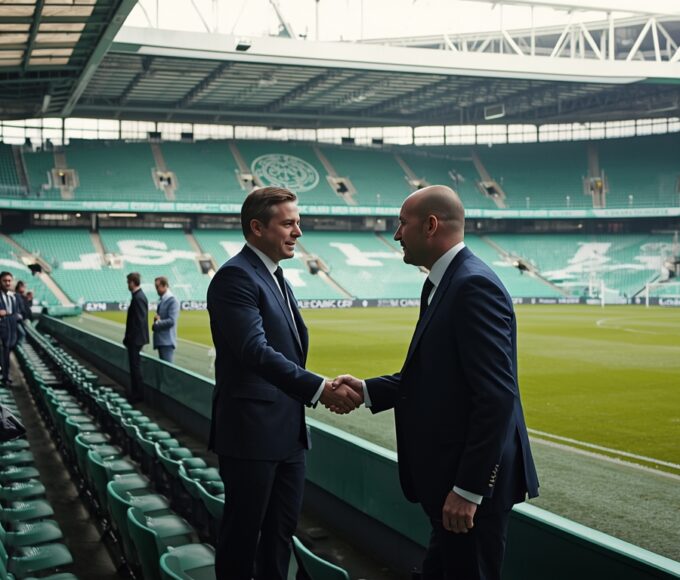




















In an era where football has increasingly become a global commodity, driven by distant billionaires and corporate interests, a powerful counter-movement is quietly, yet profoundly, reshaping the beautiful game from the ground up. This movement is community ownership, a model where the heart and soul of a club – its supporters – become its rightful custodians. As the financial stakes soar and the connection between clubs and their local communities often frays, community ownership offers a compelling vision: a return to football’s roots, grounded in local identity, shared values, and democratic principles. It’s more than just a different way to run a club; it’s a philosophy that champions sustainability, integrity, and the enduring power of collective passion.
The Rise of Community Ownership in Football
The modern football landscape often feels dominated by external investors, private equity firms, and national sovereign funds. However, a growing number of clubs are charting a different course, one where the fans themselves hold the reins. This model, known as community ownership or fan ownership, is gaining traction as a sustainable alternative.
Defining the Model
Community ownership in football refers to a club structure where the ultimate control and often a significant portion of the equity are held by its supporters, typically through a membership scheme or a supporter’s trust. Unlike traditional ownership, where a single individual or a small group makes all key decisions, community-owned clubs operate on democratic principles, giving members a voice and a vote in the club’s direction.
100% Fan-Owned: Clubs like AFC Wimbledon or FC United of Manchester are entirely owned and run by their members.
Hybrid Models: Some clubs have a significant fan ownership stake alongside other investors, often with a “golden share” or veto rights held by the supporters’ trust to protect core club values.
Majority Fan Ownership (e.g., Germany’s 50+1 Rule): This model mandates that the club’s members must hold at least 50% plus one share of the voting rights, ensuring supporters retain control.
Why the Shift?
The impetus for community ownership often arises from a desire to safeguard a club’s identity, ensure financial stability, and prevent detrimental decisions made by owners with short-term gains or conflicting interests.
Preventing Financial Mismanagement: Many fan-owned clubs emerged from the ashes of financial collapse under traditional ownership, seeking a more prudent, long-term approach.
Protecting Club Heritage: Supporters want to ensure their club’s history, colours, crest, and traditions are preserved, free from rebranding attempts or moves to new cities.
Strengthening Community Ties: Fan-owned clubs are inherently rooted in their local areas, fostering deeper engagement with local businesses, charities, and residents.
Democratic Accountability: It provides a mechanism for transparent governance, holding the club’s leadership accountable to its most invested stakeholders – the fans.
Unlocking the Power of the People: Benefits of Fan Ownership
The community ownership model offers a wealth of advantages that extend beyond the balance sheet, fostering a unique relationship between the club and its dedicated fanbase.
Financial Stability and Long-Term Vision
One of the most compelling arguments for fan ownership is its potential to foster greater financial prudence and a long-term strategic outlook, contrasting sharply with the often volatile nature of private ownership.
Sustainable Financial Practices: Community-owned clubs tend to prioritize financial stability over risky short-term investments. Decisions are often made with the club’s longevity in mind, avoiding excessive debt.
- Investment in Infrastructure: Profits are typically reinvested into the club’s facilities, youth academies, and community programmes,












Leave a comment