
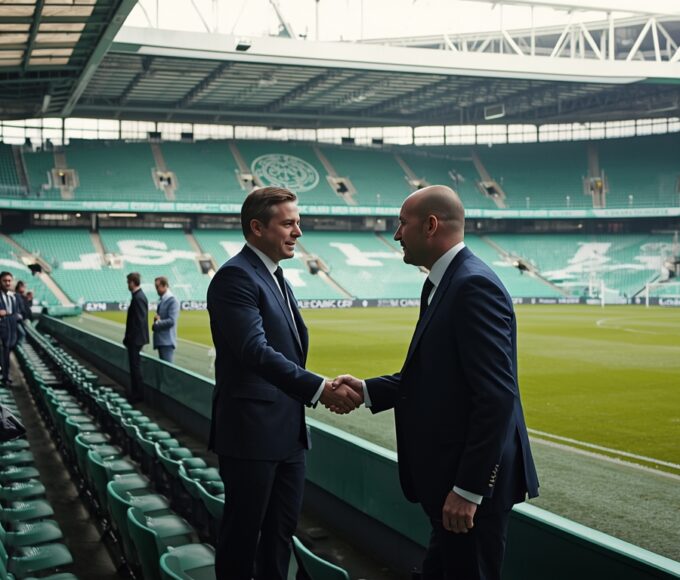



















Beyond the electrifying roar of the crowd and the sheer athletic prowess on display, modern football clubs are complex global enterprises, operating at the intersection of sport, entertainment, and commerce. In this high-stakes environment, commercial partnerships are no longer merely supplementary income streams; they are the lifeblood that fuels ambition, ensures financial stability, and propels clubs to new heights both on and off the pitch. For brands, aligning with a football club offers an unparalleled gateway to passionate global audiences, an opportunity to build brand equity, and a platform for innovative marketing. Understanding the intricacies of these strategic alliances is crucial for clubs seeking sustainable growth and for businesses aiming to unlock the immense potential of sports marketing.
The Evolving Landscape of Football Commercial Partnerships
The nature of commercial partnerships in football has undergone a dramatic transformation over the past few decades. What was once a simple transaction involving logo placement has evolved into sophisticated, multi-faceted strategic alliances designed to deliver mutual value far beyond mere visibility.
From Traditional Sponsorship to Strategic Alliances
Early football sponsorships were often straightforward endorsement deals, primarily focused on brand exposure through kit logos or stadium hoardings. Today, the most successful partnerships are built on shared values, integrated marketing campaigns, and a deep understanding of each other’s objectives. Brands seek more than just exposure; they demand demonstrable return on investment (ROI) through measurable fan engagement, content co-creation, and innovative digital activations.
Shift in Focus: From passive advertising to active collaboration.
Integrated Campaigns: Multi-channel activations across digital, physical, and experiential platforms.
Shared Objectives: Aligning brand goals with club ambitions, such as global expansion or community impact.
Example: Major airlines like Emirates (Arsenal, Real Madrid, AC Milan) or Qatar Airways (PSG, Bayern Munich) don’t just put their logo on a shirt; they leverage the club’s global reach for destination marketing, offer exclusive travel packages to fans, and co-create content celebrating travel and football.
Why Clubs Need Commercial Partners More Than Ever
The financial demands of modern football are immense. From player wages and transfer fees to state-of-the-art training facilities and global outreach initiatives, clubs require substantial and consistent revenue. Commercial partnerships provide a crucial, diversified revenue stream that complements matchday income and broadcast rights.
Financial Stability: Essential for meeting operational costs and investing in talent.
Competitive Edge: Funds generated allow clubs to compete for top players and maintain elite infrastructure.
FFP Compliance: Commercial revenue helps clubs comply with Financial Fair Play regulations by balancing expenditure.
- Global Expansion: Partners can help clubs penetrate new markets and expand their international fan base.
Takeaway: Clubs must proactively











Leave a comment