









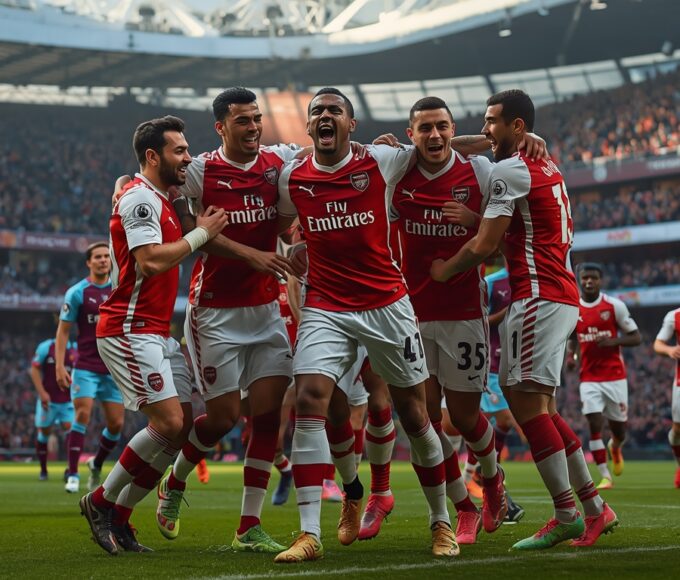







The roar of the crowd, the thrill of the game – football stadiums have long been iconic landmarks. But in the 21st century, these colossal structures are evolving far beyond mere sporting arenas. They are transforming into vibrant, multi-faceted real estate development projects, driving urban regeneration, creating economic hubs, and offering lucrative investment opportunities. This shift represents a paradigm change, where football clubs and developers are collaborating to build entire districts designed for year-round activity, fundamentally reshaping cityscapes and community life.
The Evolution of Stadiums into Mixed-Use Destinations
Modern football stadiums are no longer isolated structures that lie dormant for most of the year. They are catalysts for expansive real estate developments, creating dynamic mixed-use environments that generate revenue and engagement far beyond match days. This strategic approach maximizes asset utilization and integrates the stadium seamlessly into the urban fabric.
Beyond the Game Day: Year-Round Activity
The goal of contemporary stadium development is to create destinations that attract visitors 365 days a year. This involves incorporating a diverse range of amenities and facilities that cater to various needs and interests, ensuring a constant flow of people and economic activity.
Entertainment Venues: Concerts, conferences, and non-sporting events.
Retail and Dining: Shops, restaurants, and bars that serve both event-goers and the general public.
Hospitality: Hotels directly integrated into or adjacent to the stadium complex.
Residential Units: Apartments and condominiums offering urban living with unique views and access to amenities.
Office Spaces: Business parks and commercial offices drawing companies seeking dynamic locations.
Components of Modern Stadium Districts
These integrated districts often combine several real estate asset classes to create a self-sustaining ecosystem. The synergy between these components amplifies their individual value and appeal.
Sports & Entertainment Core: The stadium itself, often featuring advanced technology, premium seating, and flexible event spaces.
Commercial Hub: Retail promenades, flagship stores, and office towers. For example, the Tottenham Hotspur Stadium in London is part of a wider regeneration project that includes a new public square, retail units, and hundreds of new homes, along with a dedicated NFL pitch.
Residential Quarters: High-density housing options, from luxury apartments to affordable units, designed to integrate with the district’s lifestyle.
Leisure & Hospitality: Hotels, fitness centers, spas, and entertainment complexes like cinemas or bowling alleys. The SoFi Stadium in Inglewood, California, is the centerpiece of Hollywood Park, a 298-acre mixed-use development featuring retail, office space, a hotel, and residential units.
Actionable Takeaway: Developers should analyze local market demand to determine the optimal mix of residential, retail, office, and entertainment components to ensure long-term viability and community integration.
Economic Impact and Urban Regeneration
Football real estate development projects are powerful engines for economic growth and urban revitalization. They inject significant capital into local economies, create jobs, and transform neglected or underutilized areas into thriving communities.
Job Creation and Local Economy Boost
The construction and ongoing operation of these massive projects generate a substantial number of jobs across various sectors, from construction and hospitality to retail and facility management.
Direct Jobs: Construction workers, stadium staff, club employees, retail associates.
Indirect Jobs: Suppliers, consultants, transportation providers.
Induced Jobs: Growth in local businesses due to increased spending by workers and visitors.
Increased Tax Revenue: Property taxes, sales taxes, and income taxes contribute significantly to municipal coffers, funding public services.
Property Value Appreciation and Investment
The presence of a major sports venue and its surrounding development often acts as a catalyst for property value appreciation in the immediate vicinity and broader region. This creates attractive opportunities for real estate investors.
Anchor Development: The stadium acts as an anchor, drawing further investment and development into the area.
Enhanced Infrastructure: Projects often necessitate improvements in public transport, roads, and utilities, further increasing property desirability.
“Stadium Effect”: Studies have shown that properties within a certain radius of new, well-integrated stadiums can see significant value increases, sometimes upwards of 10-20% over a decade compared to surrounding areas.
Revitalizing Underutilized Areas
Many modern stadium projects are strategically located in brownfield sites or economically depressed areas, serving as a linchpin for large-scale urban regeneration.
Brownfield Redevelopment: Cleaning up and repurposing former industrial or commercial sites, transforming environmental liabilities into valuable assets.
Community Upliftment: Bringing new life, services, and opportunities to disadvantaged neighborhoods. The development around Atlanta’s Mercedes-Benz Stadium has spurred significant investment in the surrounding historic Westside neighborhoods, though managing gentrification remains a key challenge.
Actionable Takeaway: Municipalities and developers should conduct thorough economic impact assessments to quantify benefits and develop strategies to ensure equitable distribution of opportunities, including local hiring initiatives and support for small businesses.











Leave a comment