









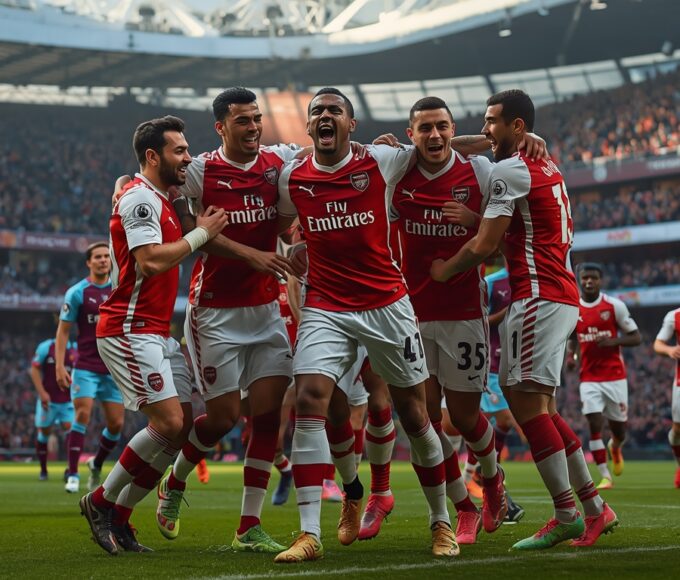

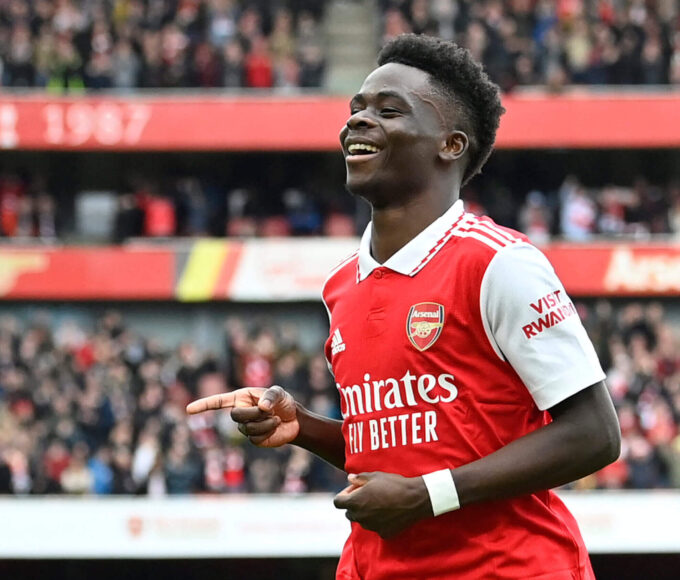


North African football has unequivocally asserted its position as a powerhouse on the continental and increasingly, the global stage. From the electrifying atmospheres of Cairo and Casablanca derbies to the tactical masterclasses displayed in CAF Champions League finals and groundbreaking FIFA World Cup runs, the region’s clubs and national teams consistently showcase a blend of passion, tactical sophistication, and sheer talent. This sustained excellence isn’t merely a fleeting moment but the culmination of decades of strategic investment, deep-rooted footballing culture, and a relentless pursuit of sporting supremacy. Understanding the multifaceted drivers behind this dominance offers invaluable insights into the future trajectory of African football.
A Legacy Forged in Passion and History
The rich tapestry of North African football is interwoven with its history, culture, and an unparalleled passion that fuels its growth and success. This deep-seated connection to the sport has created an environment where football is more than just a game; it’s a way of life.
Early Adoption and Cultural Integration
North African nations were among the first in Africa to embrace football, inheriting it during the colonial era. This early adoption allowed the sport to deeply embed itself into the social fabric, becoming a significant part of national identity and cultural expression. Unlike many other regions, football wasn’t just introduced; it was integrated, shaping community gatherings and national aspirations.
Examples: The Egyptian Football Association (EFA) was founded in 1921, making it one of the oldest in Africa. Morocco, Algeria, and Tunisia also have long-standing football traditions, fostering a continuous development cycle.
Takeaway: The historical head start and seamless cultural integration provided a robust foundation for building strong footballing traditions and institutions.
Unrivalled Fan Bases and Stadium Atmospheres
The passion of North African football fans is legendary. Stadiums often transform into vibrant cauldrons of noise, colour, and unwavering support, creating an intimidating environment for visiting teams and an inspiring one for home sides. This fervent support is a significant competitive advantage.
Details: The “Ultras” culture in countries like Egypt and Morocco has created highly organised and vocal fan groups known for elaborate tifo displays and non-stop chanting. The Cairo Derby between Al Ahly and Zamalek, or the Casablanca Derby between Raja CA and Wydad AC, are spectacles of global renown.
Actionable Takeaway: Harnessing this fan energy through modern stadium experiences and fan engagement initiatives can further solidify club identities and commercial viability.
Strategic Investment and Infrastructure Development
The current era of North African football dominance is underpinned by substantial, long-term investments in infrastructure, youth development, and modern facilities. This strategic foresight has created a fertile ground for talent to flourish.
State-Backed and Private Sector Funding
Governments in countries like Morocco and Egypt have recognized the soft power and economic potential of football, leading to significant state-backed investments. This is often complemented by substantial private sector and club-specific funding, ensuring comprehensive development across all levels.
Examples: Morocco’s state-of-the-art Mohammed VI Football Academy is a prime example, boasting world-class facilities, highly qualified coaches, and a clear pathway for young talent. Egyptian giants Al Ahly and Zamalek also continuously invest in their training grounds and youth setups.
Statistics: Morocco allocated significant funds, estimated in the hundreds of millions of dollars, towards football infrastructure and academy development over the past decade.
Takeaway: A balanced approach combining national strategic investment with robust club-level funding is crucial for sustainable football development.
Modern Academies and Training Facilities
The proliferation of modern football academies is a cornerstone of North African success. These institutions focus on holistic player development, combining technical and tactical training with education and life skills.
Details: Academies like the Mohammed VI Academy in Morocco have produced players who are now key figures in top European leagues and national teams (e.g., Azzedine Ounahi, Nayef Aguerd). These academies often integrate sports science, nutrition, and psychological support.
Actionable Takeaway: Clubs and federations across Africa should emulate this model by investing in comprehensive youth academies that prioritize both footballing excellence and personal growth.
Tactical Sophistication and Coaching Excellence
North African football has evolved beyond raw talent, embracing tactical acumen and developing a strong cadre of local coaches who understand the nuances of the African game while also being adept at international strategies.
Rise of Local Coaching Prowess
A significant factor in North African dominance is the emergence of highly skilled local coaches. These coaches often possess a deep understanding of their players, culture, and the specific challenges of continental competitions, allowing for tailored tactical approaches.
Examples: Walid Regragui, who led Wydad AC to the CAF Champions League title and then Morocco to an unprecedented FIFA











Leave a comment