










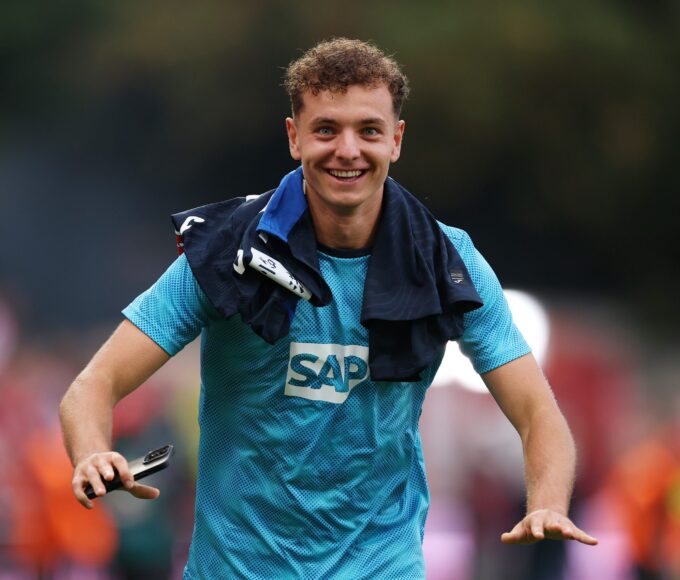


The roar of the crowd, the thrill of the game, and the global spectacle of football are not just about what happens on the pitch. Behind every successful club lies a sophisticated network of commercial partnerships – the lifeblood that fuels ambition, drives innovation, and connects teams with their supporters worldwide. These strategic alliances have evolved far beyond simple logo placement, becoming intricate ecosystems designed to deliver mutual value, enhance fan experiences, and secure the financial future of football’s biggest names. Understanding the dynamics of these partnerships is crucial for clubs aiming for sustained success and for brands seeking unparalleled global exposure.
The Evolving Landscape of Commercial Partnerships in Football
The commercial side of football has undergone a radical transformation. What was once primarily about a single shirt sponsor has blossomed into a multi-faceted approach, reflecting the sport’s immense global appeal and the sophisticated demands of modern marketing.
Beyond Traditional Sponsorship
The era of merely displaying a brand logo on a kit or stadium hoarding is largely behind us. Today’s commercial partnerships are integrated, dynamic, and often experiential. Brands are looking for deeper engagement, authentic connections with fan bases, and measurable returns on investment (ROI). This shift necessitates creative activation strategies that go beyond passive visibility.
Integrated Campaigns: Partners often co-create content, run joint marketing campaigns across digital and traditional channels, and collaborate on fan events.
Data-Driven Decisions: Clubs leverage extensive fan data to offer partners highly targeted audience segments and demonstrate campaign effectiveness with analytics.
Shared Values: A growing trend sees clubs aligning with partners who share their ethos, whether it’s sustainability, community outreach, or technological innovation, fostering more authentic connections.
Key Drivers of Partnership Growth
Several factors have propelled the growth and complexity of commercial partnerships in football:
Globalization of Football: Leagues like the Premier League, La Liga, and Bundesliga have massive international followings, offering brands unparalleled global reach.
Increased Media Rights Values: While media rights remain a primary revenue stream, commercial partnerships offer complementary income, crucial for financial stability and competitive spending.
Demand for Fan Engagement: Modern fans expect more than just match-day entertainment; they crave year-round interaction, unique experiences, and access, which partners can help provide.
Financial Fair Play (FFP) Implications: FFP regulations incentivize clubs to maximize their commercial revenues to support player acquisitions and wages, making robust partnership portfolios essential.
Actionable Takeaway: Clubs must innovate beyond traditional models, focusing on integrated campaigns, data-driven insights, and shared values to attract and retain high-value commercial partners.
Types of Commercial Partnerships & Their Strategic Value
Commercial partnerships in football are diverse, each offering unique strategic advantages to both the club and the brand. A well-rounded portfolio typically includes a mix of these types.
Shirt Sponsors & Kit Manufacturers
These are the most visible and often the most lucrative partnerships, forming the cornerstone of a club’s commercial strategy.
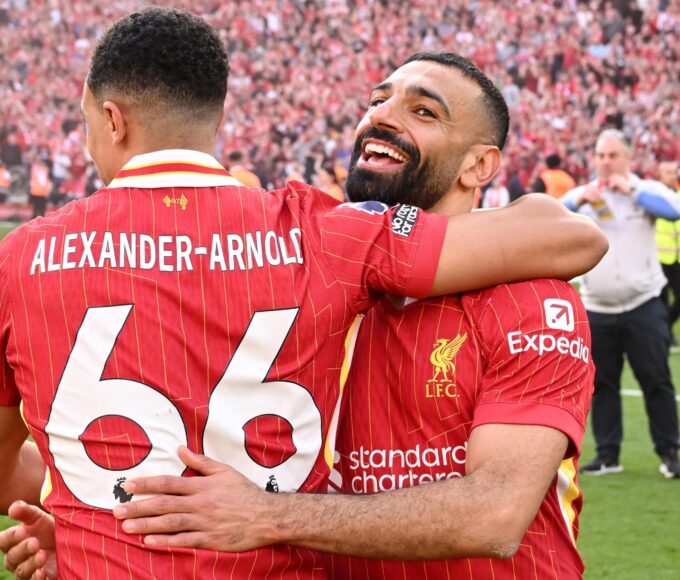
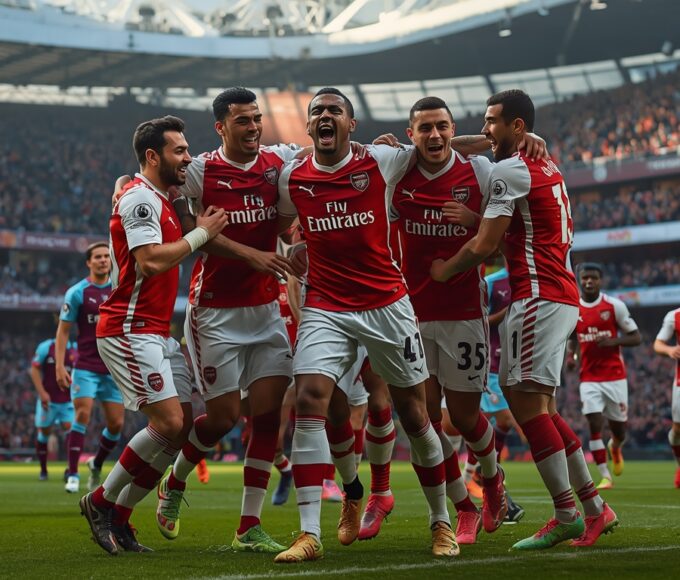
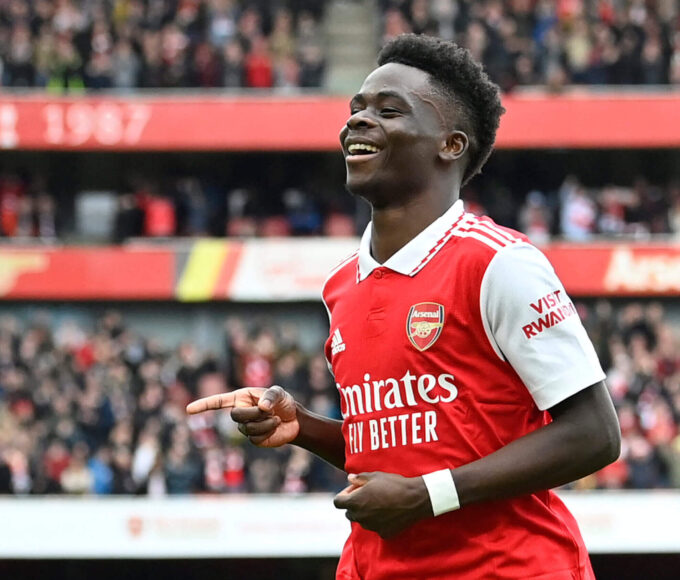
Shirt Sponsors: Brands like Emirates (Arsenal, Real Madrid, AC Milan) and Standard Chartered (Liverpool FC) gain immense global brand exposure, associating themselves directly with the club’s identity and success. These deals often run into tens of millions annually.
Kit Manufacturers: Giants like Nike, Adidas, and Puma not only pay significant fees but also handle the design, production, and global distribution of replica kits, creating a massive retail revenue stream for clubs. For example, Adidas’s partnership with Manchester United is one of the largest in football history, reportedly worth over £75 million per season.
Benefits: Unparalleled global brand visibility, significant guaranteed revenue, association with sporting excellence.
Official Partners (Category Specific)
These partnerships provide brands with exclusivity within their industry sector, allowing for targeted marketing and activation.
Examples: Official Airline (Qatar Airways with PSG), Official Beer (Heineken with UEFA Champions League), Official Automotive Partner (Audi with Bayern Munich), Official Betting Partner, Official Soft Drink.
Benefits: Targeted audience reach, experiential marketing opportunities (e.g., fan zones, hospitality), exclusive use of club IP within their category, direct sales uplift through club channels.
Digital & Technology Partnerships
As football’s digital footprint expands, so too do the opportunities for technology-focused collaborations.
- Examples: Data analytics providers (












Leave a comment