
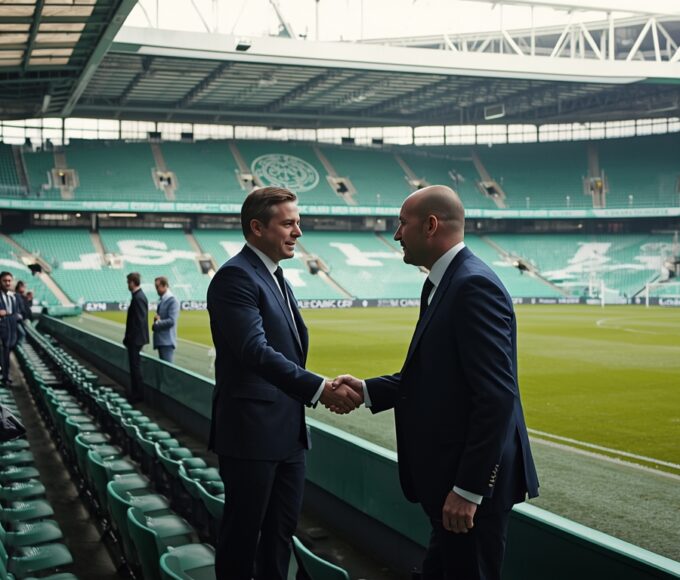




















Football, the world’s most popular sport, is no longer confined to the pitch; it’s rapidly transforming urban landscapes and driving significant real estate development. What began as simple stadiums built for match days has evolved into sprawling, multi-billion-dollar sports-anchored districts that serve as vibrant hubs for communities, commerce, and entertainment. This strategic pivot by football clubs into the realm of real estate is redefining their financial models, enhancing fan experiences, and becoming a powerful catalyst for urban regeneration and economic growth in cities worldwide.
The Evolution of Football Real Estate: More Than Just a Pitch
The landscape of football infrastructure has undergone a dramatic transformation, moving from utilitarian structures to sophisticated, integrated developments. This shift reflects a broader understanding of stadiums as valuable assets capable of generating revenue far beyond ticket sales and merchandise.
From Standalone Stadiums to Integrated Hubs
Historically, football stadiums were often isolated from city centers, primarily serving their purpose on match days. Today, clubs and developers are embracing a vision where the stadium is the centerpiece of a larger, mixed-use development. This strategic move aims to create year-round destinations that attract visitors, residents, and businesses, rather than just event-goers. The goal is to maximize the asset’s value and integrate it seamlessly into the urban fabric.
- Past Model: Single-purpose venues, often











Leave a comment