
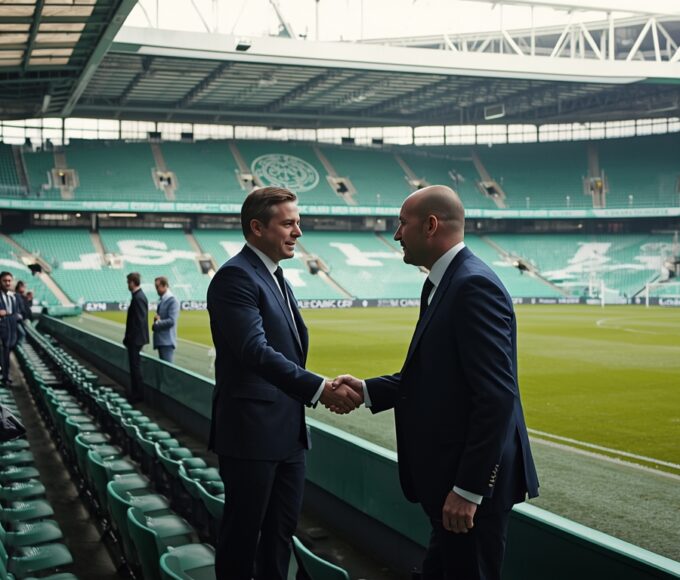

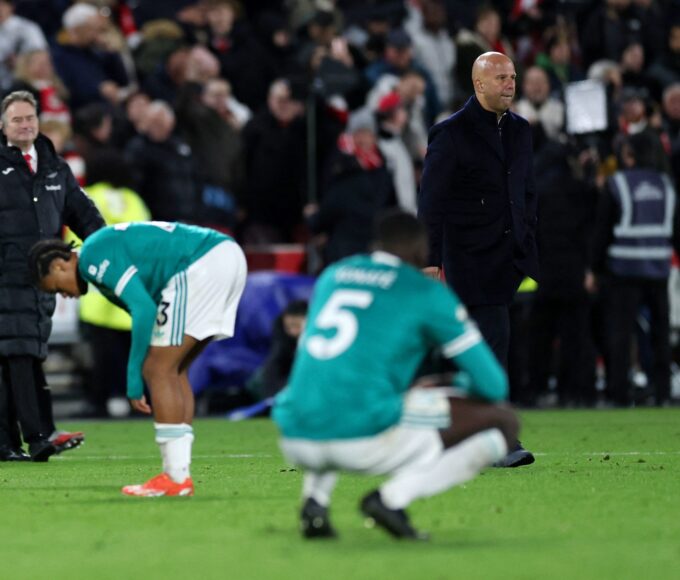
















The allure of owning a sports club is undeniable – the prestige, the passion, the potential for glory. From the roar of the crowd to the thrill of a championship, club ownership promises a unique blend of business and emotion. However, beneath this glamorous surface often lie deep-seated complexities, leading to highly publicized and often devastating club ownership controversies. These disputes don’t just affect the balance sheet; they ripple through fan communities, impact player morale, and can fundamentally alter a club’s legacy, making it crucial for stakeholders to understand the multifaceted nature of these challenges.
The Financial Minefield: Debt, Mismanagement, and Instability
One of the most common and damaging categories of club ownership controversies revolves around financial mismanagement. The dream of sporting success can often overshadow sound business practices, leading owners down a perilous path of debt and instability that threatens the very existence of the club.
Bankruptcy and Administration
When financial issues spiral out of control, clubs can face administration or even bankruptcy. This often results from unsustainable spending on player transfers and wages, coupled with insufficient revenue streams or a sudden withdrawal of owner funding.
Practical Example: The dramatic fall of Rangers FC in 2012, when the club entered administration due to significant unpaid taxes, leading to its liquidation and subsequent re-entry into the lowest tier of Scottish football. This wasn’t just a financial event; it tore through the fabric of Scottish football and its immense fanbase.
Actionable Takeaway: Leagues and regulatory bodies must enforce stricter financial fair play (FFP) rules and conduct rigorous due diligence on potential owners, scrutinizing their long-term financial plans and ability to sustain the club without excessive reliance on personal wealth.
Player Wage Delays and Non-Payment
A stark indicator of financial distress is the inability to pay players and staff on time. This not only breaches contracts but severely damages morale, performance, and the club’s reputation.
Practical Example: Numerous lower-league clubs, such as Bolton Wanderers and Bury FC, have faced points deductions and even expulsion from leagues due to persistent issues with paying staff and players. Bury FC’s expulsion from the English Football League in 2019 after 125 years of existence is a poignant reminder of these risks.
Actionable Takeaway: Player unions and league authorities need robust mechanisms to monitor clubs’ financial health and intervene swiftly to protect employees. Fans should also be aware of the signs of financial distress and advocate for transparency.
Asset Stripping and Short-Term Gains
Some controversial owners acquire clubs with the intention of extracting value through asset stripping, selling off key players, or even stadium ownership for short-term profit rather than investing in the club’s long-term future.
Practical Example: The controversial ownership of Portsmouth FC in the early 2010s saw multiple owners come and go, with allegations of significant debt accumulation and asset stripping contributing to the club’s dramatic descent from the Premier League to the fourth tier.
Actionable Takeaway: Regulatory bodies should implement clear rules preventing the sale of core club assets without proper oversight and ensure that ownership transfers include commitments to long-term investment and club stability, not just immediate financial gain.
Erosion of Sporting Vision and Performance Decline
Beyond financial woes, a lack of clear sporting vision from ownership can lead to a gradual but devastating decline in a club’s on-field performance and overall standing. This often manifests in poor decision-making regarding key personnel and strategic direction.
Inconsistent Recruitment and Transfer Policies
Owners who micromanage or implement erratic recruitment strategies can undermine sporting directors and managers, leading to a disjointed squad lacking cohesion and quality.
Practical Example: Certain periods at AC Milan under various ownerships have been characterized by a carousel of managers and baffling transfer decisions, leading to a prolonged absence from the top echelons of European football despite its rich history.
Actionable Takeaway: Owners should establish a clear sporting philosophy and empower competent football professionals (e.g., sporting directors, technical committees) to execute it, providing them with the necessary resources and autonomy.
Frequent Managerial Changes
A common symptom of a lack of long-term vision is the rapid turnover of managers. While some changes are necessary, constant upheaval










Leave a comment