








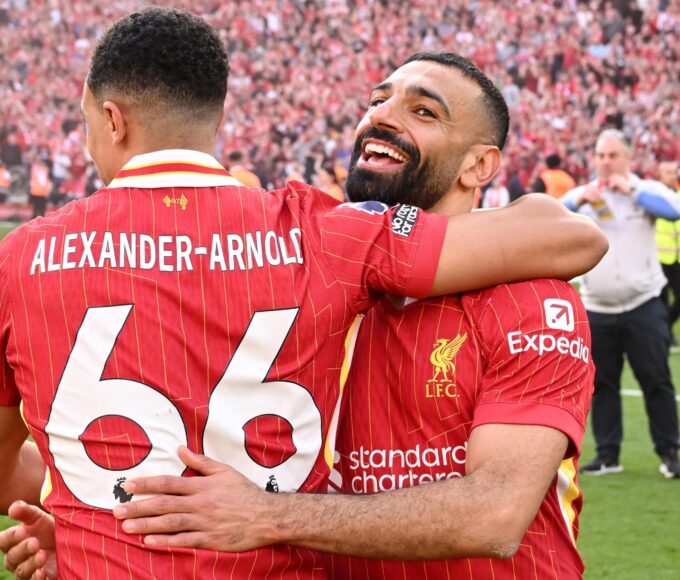
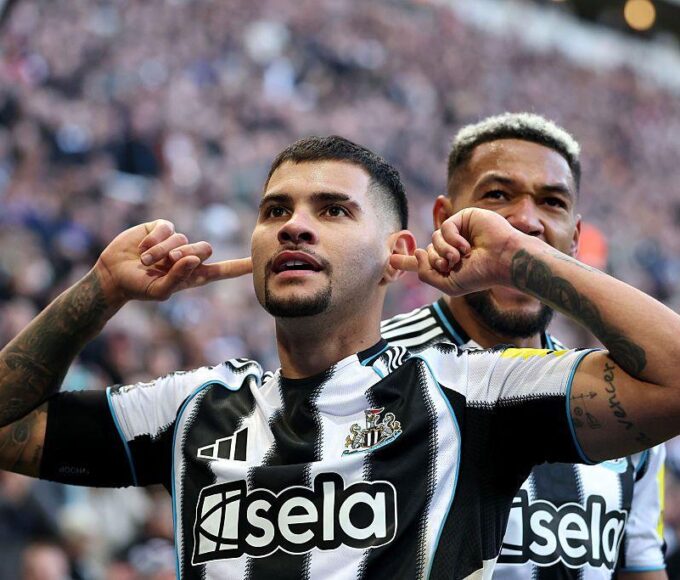
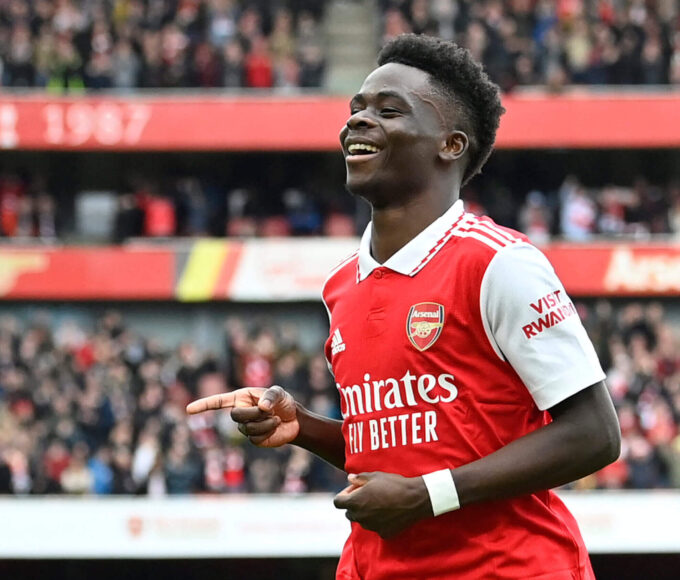
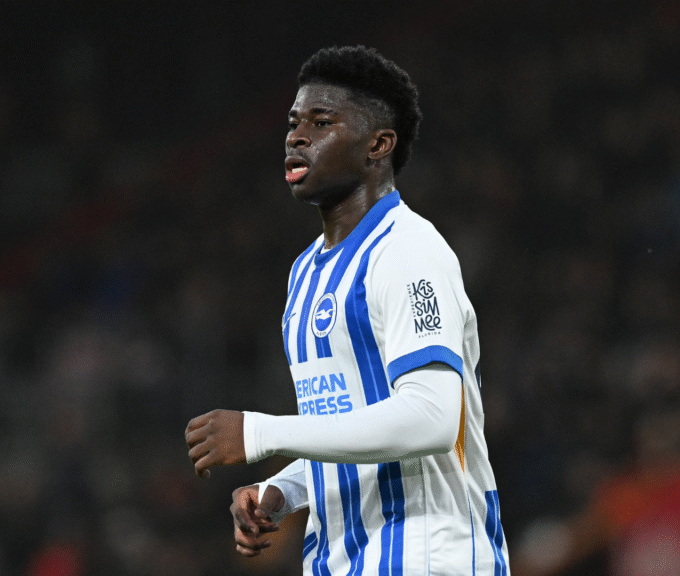
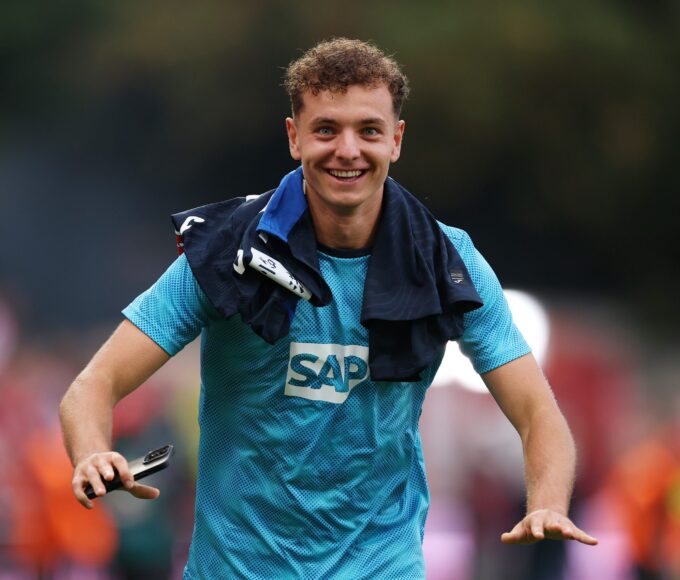


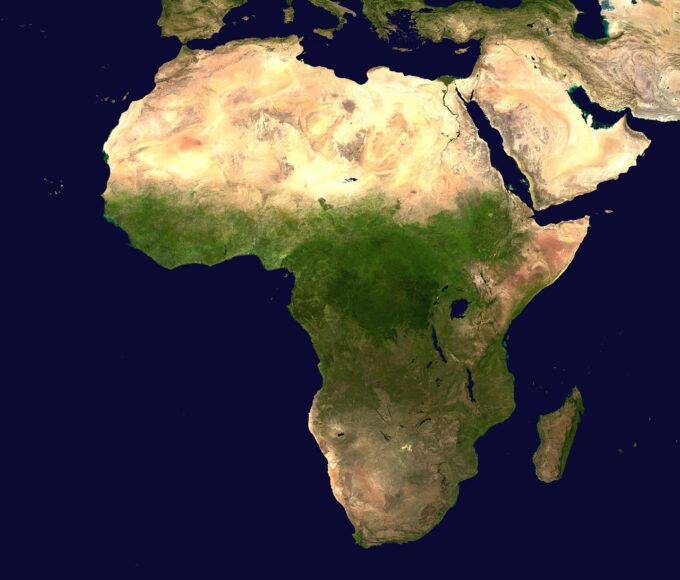
The roar of the crowd, the flash of the cameras, the weight of expectation – these are common elements in Europe’s elite football leagues. Yet, for a significant and ever-growing number of players, this journey began thousands of miles away, on dusty pitches or vibrant community grounds across Africa. African footballers have not just participated in European football; they have fundamentally reshaped it, bringing a unique blend of athleticism, skill, and passion that has captivated fans and driven success for countless clubs. Their incredible odyssey from local communities to global superstardom is a testament to raw talent, unwavering determination, and the universal language of the beautiful game.
The Unstoppable Rise of African Talent in European Football
The presence of African players in European leagues is not a new phenomenon, but its scale and impact have grown exponentially over the decades. What began as a trickle of pioneers has blossomed into a powerful, consistent flow of world-class talent, fundamentally altering the competitive landscape.
Historical Roots and Pioneering Spirits
The journey began with a handful of brave individuals who ventured north, often facing immense cultural and professional challenges. These early trailblazers paved the way, proving the immense potential that lay within the continent.
Early Icons: Figures like Larbi Benbarek (Morocco) in the 1940s and Salif Keïta (Mali) in the late 1960s broke barriers, showcasing African flair and goal-scoring prowess in French leagues.
1980s and 90s Expansion: The likes of Roger Milla (Cameroon), George Weah (Liberia), Abedi Pelé (Ghana), and Kalusha Bwalya (Zambia) became household names, not just for their skill but for their charisma and leadership, winning major European accolades and even the Ballon d’Or (Weah, 1995).
Drivers of Talent Migration
Several factors contribute to the continuous movement of African players to European clubs, creating a symbiotic relationship between the continents’ footballing ecosystems.
Professional Opportunities: European leagues offer superior infrastructure, coaching, medical facilities, and significantly higher salaries, providing a clear career path that is often unavailable in their home countries.
Exposure and Development: Playing at the highest level against world-class opposition accelerates player development and increases their global visibility, opening doors for lucrative endorsements and international recognition.
Scouting Networks: European clubs have established extensive scouting networks across Africa, identifying young talent at increasingly earlier ages, sometimes even relocating them to academy systems.
Cultural Exchange: While challenging, the experience of living and playing in a different culture broadens horizons and instills a high degree of adaptability in players.
Impact on European Leagues and Club Success
The contribution of African players extends far beyond mere participation; they have become indispensable to the success and identity of many of Europe’s top clubs, leaving an indelible mark on the game.
On-Field Performance and Tactical Influence
African players are renowned for their unique blend of physical attributes, technical skill, and tactical versatility, which has enriched European football.
Athleticism and Stamina: Many African players bring exceptional pace, strength, and endurance, making them formidable opponents and valuable assets in high-intensity modern football. Think of the relentless pressing of Sadio Mané or the towering presence of Victor Osimhen.
Technical Brilliance and Flair: From the dribbling wizardry of Jay-Jay Okocha to the sublime passing of Yaya Touré, African players often possess an innate creativity and flair that excites fans and unlocks defenses.
Positional Versatility: Players like Michael Essien could dominate midfield or seamlessly slot into defense, offering tactical flexibility that is highly prized by coaches. Mohamed Salah’s evolution into a prolific wide forward is another prime example.
Goal-Scoring Prowess: The goal charts of Europe’s top leagues are consistently graced by African names. Didier Drogba’s iconic Champions League heroics for Chelsea or Pierre-Emerick Aubameyang’s Golden Boot wins illustrate this impact.
Commercial Value and Global Reach
Beyond the pitch, African stars significantly boost the commercial appeal and global brand presence of European clubs.
Market Expansion: Players like Mohamed Salah (Egypt) bring millions of passionate fans from their home countries and the wider Arab world, expanding the club’s fan base and merchandise sales.
Sponsorship Opportunities: The global appeal of African stars attracts major international brands, leading to lucrative sponsorship deals for clubs.
Media Rights and Viewership: The presence of African icons increases viewership in their home regions, adding value to broadcasting rights for European leagues.
Example: When Riyad Mahrez joined Manchester City, the club saw a notable increase in engagement from Algerian fans and commercial interest from the North African region.
Challenges and Triumphs Faced by African Players
The path to European football stardom is rarely smooth. African players often navigate a complex web of challenges, making their successes even more remarkable.
Adaptation and Integration Hurdles
Moving to a new continent presents a myriad of adjustments, both on and off the field.
Cultural and Language Barriers: Adapting to new languages, customs, and social norms can be isolating and demanding, requiring significant resilience.
Tactical Differences: European football often demands a higher level of tactical discipline and positional awareness compared to some African leagues, requiring a steep learning curve.
Climate and Lifestyle: Adjusting to colder climates, different diets, and a faster-paced lifestyle can be physically and mentally taxing.
Example: Many young players struggle with homesickness and the pressure to perform while adapting to a completely new environment, highlighting the need for strong support systems.
Addressing Discrimination and Prejudice
Despite progress, African players sometimes face racism and discrimination, both from fans and, occasionally, within the footballing structures.
Racial Abuse: Incidents of racist chants and gestures from sections of the crowd remain a painful reality, requiring strong condemnation and action from authorities.
Stereotyping: Players can be unfairly stereotyped based on their ethnicity, leading to biases in scouting or media commentary.
Advocacy and Awareness: Many African players have become powerful voices against racism, using their platforms to advocate for equality and social justice. Samuel Eto’o’s outspoken stance against racism is a prime example.
Managing Pressures: Financial, Family, and Injury
The demands on African players are immense, extending beyond their on-field performance.
Financial Responsibilities: Many players are the primary financial support for their extended











Leave a comment