







The roar of the crowd, the thrill of the game, and the global spectacle of football clubs captivate billions worldwide. Beyond the pitch, however, lies a sophisticated ecosystem of commercial partnerships that fuel the sport’s immense growth and reach. These aren’t just logos on a shirt; they are intricate, mutually beneficial alliances that drive revenue, enhance brand visibility, and deepen fan engagement, transforming football into a powerful global marketing platform. Understanding the dynamics of these collaborations is crucial for both clubs seeking sustainable success and brands aiming to tap into one of the most passionate consumer bases on the planet.
The Evolving Landscape of Football Commercial Partnerships
The relationship between football clubs and commercial entities has undergone a radical transformation. What began as simple sponsorship deals has evolved into sophisticated, multi-faceted strategic alliances that are integral to a club’s financial health and global brand expansion.
From Traditional Sponsorship to Strategic Alliances
Historically, commercial partnerships in football often revolved around basic shirt sponsorships – a brand’s logo prominently displayed on the team’s kit. While still a cornerstone, today’s partnerships are far more complex and integrated. Clubs now seek partners that align with their values, offer innovative engagement opportunities, and contribute to their long-term vision. This shift reflects a move from transactional agreements to deep, collaborative relationships designed for mutual growth.
Then: A local brewery’s name on a club’s training kit for regional visibility.
Now: A global tech giant partnering to enhance stadium connectivity, develop fan apps, and integrate AR experiences, alongside traditional branding.
The Global Appeal and Economic Power of Football
Football’s unparalleled global reach makes it an irresistible platform for brands. With an estimated 3.5 billion fans worldwide, the sport transcends geographical and cultural boundaries. This immense popularity translates into significant economic power, with the global football market valued at billions of dollars annually. For brands, associating with a successful club offers direct access to diverse demographics across continents, far beyond what traditional advertising can achieve.
Key Statistic: The English Premier League alone generated over £5 billion in revenue in the 2022/23 season, with commercial deals forming a significant portion.
Actionable Takeaway: Clubs must leverage their global fan base data to attract international partners, while brands should identify clubs with strong followings in their target markets.
Key Types of Commercial Partnerships in Football
Modern football clubs engage in a diverse array of commercial partnerships, each designed to serve specific strategic and financial objectives. These collaborations extend far beyond the playing field, integrating into every aspect of a club’s operations and fan interaction.
Shirt & Kit Sponsorships
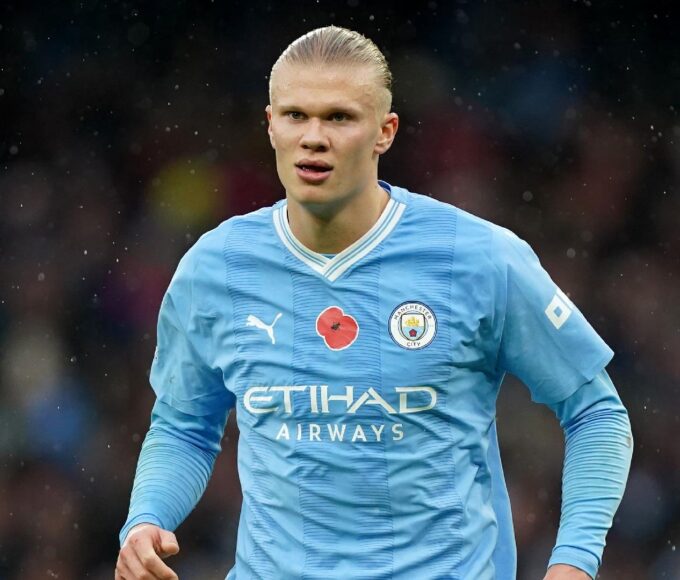
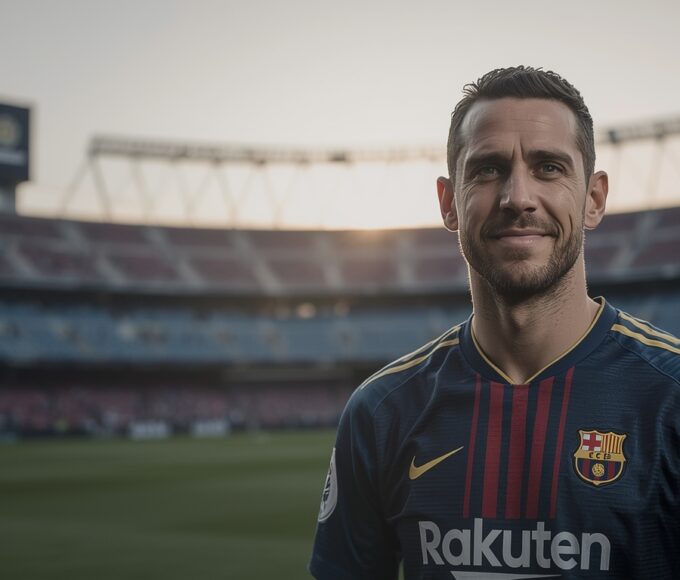
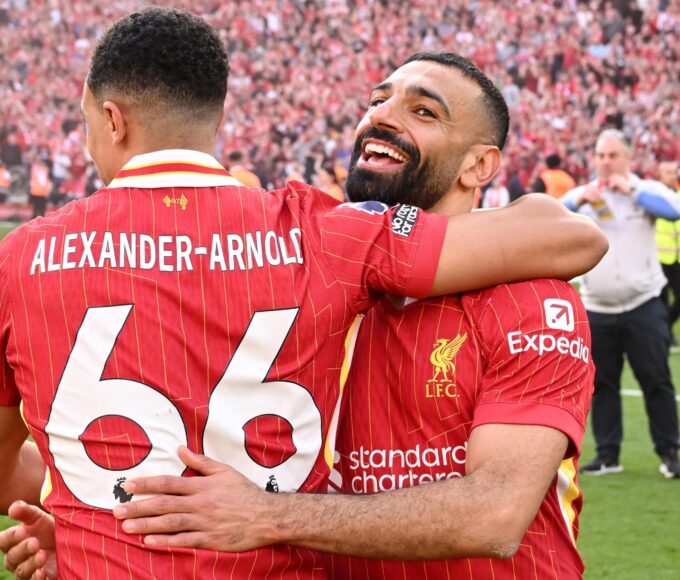
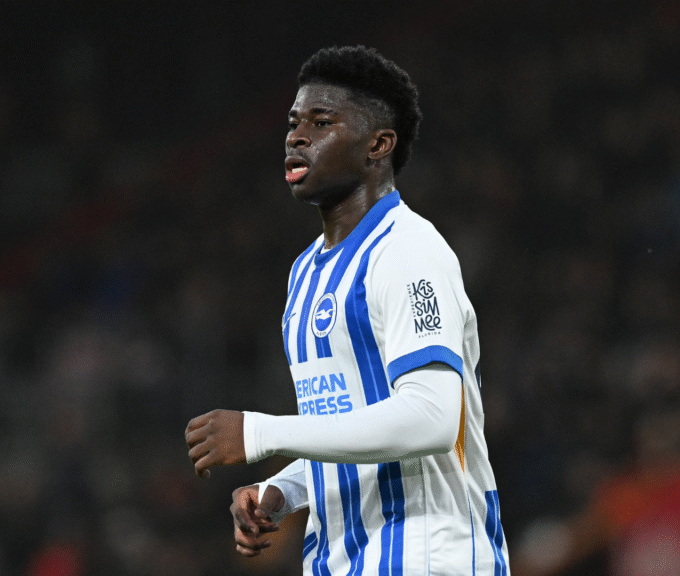
Still the most iconic and lucrative form of partnership, shirt sponsorships offer unparalleled brand visibility. This includes front-of-shirt sponsors, sleeve sponsors, and kit manufacturers. These deals command high values due to their constant exposure during matches, broadcasts, and merchandise sales.
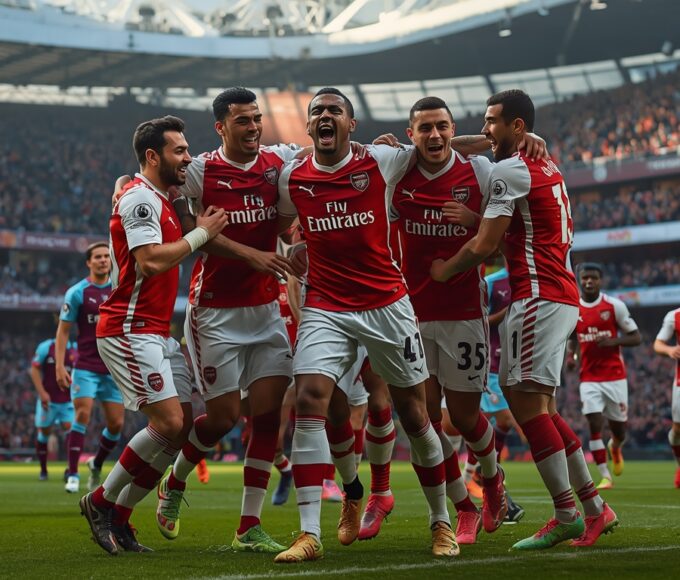
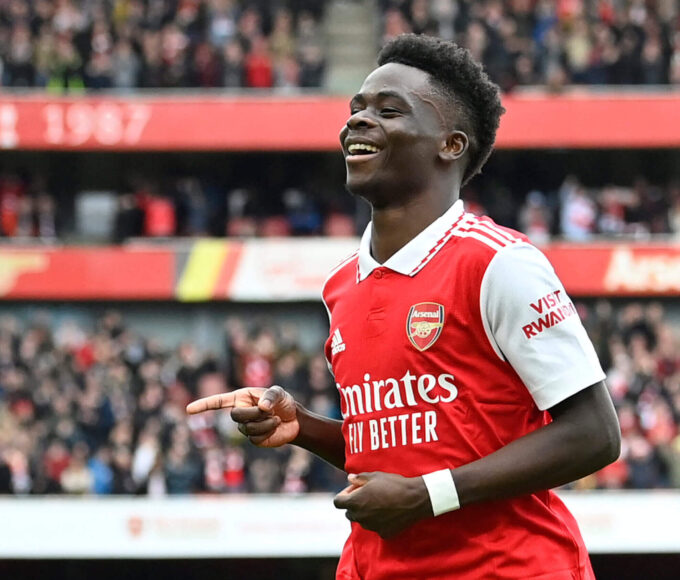
Front-of-Shirt: The primary sponsor, e.g., Emirates with Arsenal, often worth tens of millions annually.
Sleeve Sponsors: A newer, growing category providing additional branding space, e.g., Hyundai with Chelsea.
Kit Manufacturers: Brands like Nike, Adidas, and Puma not only supply kits but also contribute significant revenue and marketing support, leveraging the club’s image to sell merchandise globally.
Practical Example: Adidas’s long-standing partnership with Real Madrid isn’t just about kits; it’s a co-marketing powerhouse, launching limited-edition products and global campaigns.
Stadium Naming Rights & Facility Partnerships
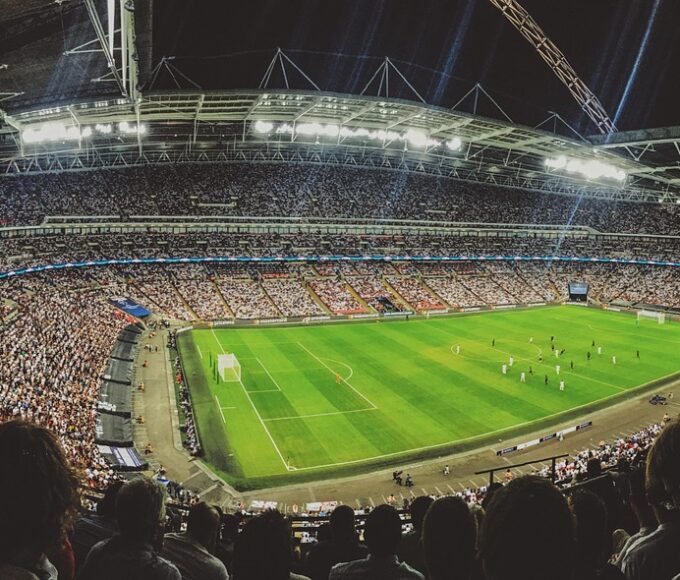
Naming rights deals for stadiums or training grounds offer brands long-term, high-impact visibility and association with the club’s home. Beyond naming rights, partnerships extend to specific stadium facilities, hospitality suites, and fan zones.
Stadium Naming Rights: Etihad Stadium (Manchester City), Allianz Arena (Bayern Munich, Juventus). These deals can be worth hundreds of millions over decades.
Facility Partners: Brands sponsoring specific stands, training pitches, or even the club’s medical facilities, ensuring targeted exposure to specific fan segments.
Actionable Takeaway: Clubs should consider the long-term brand alignment and fan perception when negotiating naming rights, as these partnerships deeply integrate the brand into the club’s identity.
Official Partners & Suppliers
This broad category encompasses a multitude of brands that become the “official” beer, airline, car, coffee, or even cryptocurrency partner of a club. These partnerships often involve exclusive supply agreements, joint marketing campaigns, and experiential activations.
Official Airline Partner: Qatar Airways with PSG, offering travel benefits and brand exposure in airport lounges.
Official Automotive Partner: Audi with Bayern Munich, providing vehicles for players and staff, and often co-hosting fan events.
Official Beer/Beverage Partner: Heineken with the UEFA Champions League, providing exclusive pouring











Leave a comment