












Football clubs, once community-based entities primarily sustained by local support, have transformed into global entertainment brands and multi-million (or even billion) dollar enterprises. Understanding how these financial behemoths generate their income is crucial for fans, investors, and anyone interested in the economics of the beautiful game. Beyond the obvious ticket sales, a complex web of revenue streams fuels the modern football club, driving transfer markets, stadium developments, and global marketing efforts. This detailed breakdown will illuminate the diverse financial arteries that keep the world’s biggest clubs thriving.
Broadcasting Rights: The Golden Ticket
In the modern era of football, media rights have become the single largest revenue stream for many top clubs, dwarfing traditional income sources. The global appetite for live football has driven up the value of these rights exponentially, making television and digital distribution paramount to a club’s financial health.
Domestic and International Deals
Leagues worldwide negotiate multi-billion dollar deals with broadcasters for the exclusive rights to show matches. These deals are typically divided into domestic rights (within the league’s home country) and international rights (for viewership across the globe).
Centralized Distribution: Most major leagues (e.g., Premier League, La Liga, Serie A) centralize the sale of these rights, distributing the revenue among member clubs based on a predetermined formula. This formula often considers league position, broadcast appearances, and sometimes even historical performance, ensuring a degree of financial stability and competition.
Individual Club Deals: While most league matches are covered by central deals, some clubs also negotiate individual agreements for their club-specific content, such as behind-the-scenes documentaries, pre-season tours, or dedicated club channels.
Example: The English Premier League’s broadcasting deals are among the most lucrative globally, generating billions of pounds distributed annually to its 20 clubs, with a significant portion allocated based on merit (league position).
The Role of Performance
A club’s performance directly impacts its share of broadcasting revenue.
League Position: Higher league finishes typically mean larger shares of the central broadcast pot.
Cup Competitions: Participation and progression in prestigious continental competitions like the UEFA Champions League or Europa League bring substantial prize money and additional broadcast revenue, significantly boosting a club’s income. Winning the Champions League, for instance, can be worth well over €100 million in prize money and broadcast revenue alone.
Takeaway: To maximize broadcasting revenue, clubs must consistently perform at the highest level, aiming for top league finishes and qualification for lucrative continental tournaments. Investing in a competitive squad is often a direct investment in future broadcast earnings.
Commercial Revenue: Beyond the Pitch
Commercial revenue encompasses all income generated from a club’s brand and marketing activities. This stream highlights a club’s transformation from a local sports team into a global brand.
Sponsorship and Partnerships
Sponsorships are a cornerstone of commercial revenue, involving various agreements with corporate partners.
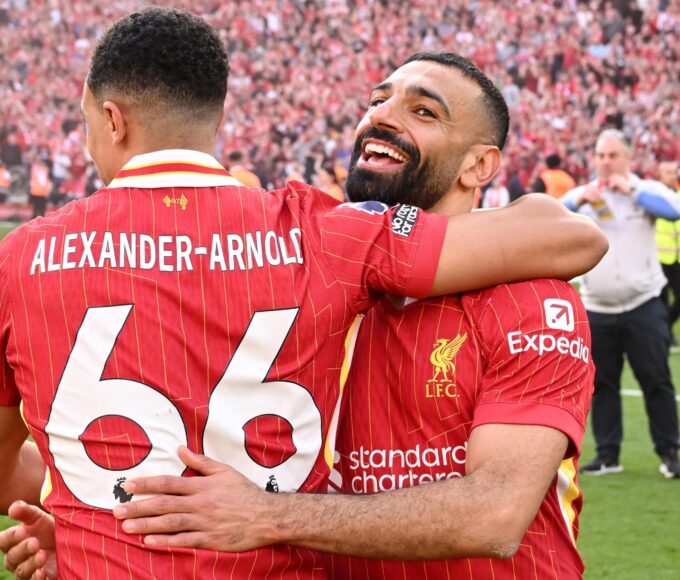
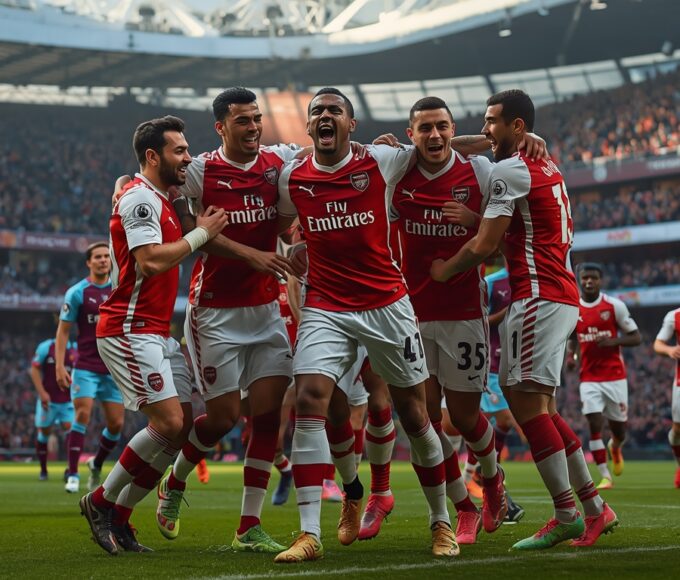
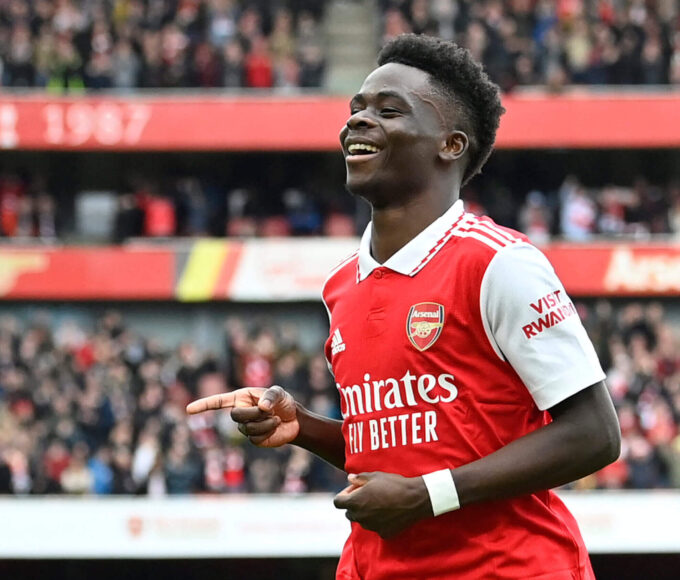
Shirt Sponsors: The most visible form, with brands paying significant sums for their logo to appear on the team’s kit (e.g., Emirates with Real Madrid, Standard Chartered with Liverpool).
Kit Manufacturers: Deals with sportswear giants like Nike, Adidas, or Puma for supplying kits and merchandise (e.g., Adidas with Manchester United, Nike with Barcelona). These are often multi-year agreements worth hundreds of millions.
Official Partners: A multitude of other partnerships, ranging from official airline partners and car manufacturers to regional betting partners and beverage suppliers. These can be global or geographically specific.
Training Ground/Stadium Naming Rights: Selling the naming rights for training facilities or the stadium itself can provide substantial, long-term income (e.g., Emirates Stadium for Arsenal, Etihad Stadium for Manchester City).
- Example: Manchester United consistently ranks among the top clubs for commercial revenue










Leave a comment