







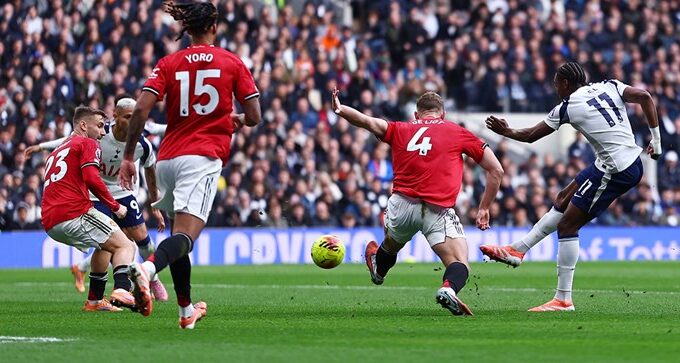









The roar of the crowd, the tension in the air, the thrilling rush of a goal – football offers an unparalleled spectacle. Among the myriad ways to engage with the beautiful game, the “Both Teams to Score” (BTTS) betting market has surged in popularity, captivating punters with its straightforward premise and potential for high-octane drama. Unlike traditional match outcome bets, BTTS doesn’t care who wins or loses; it simply asks if both sides will find the back of the net. This focus on offensive action from both ends makes for an exciting viewing experience and, with the right strategy, a rewarding betting venture. But how do you consistently identify those tantalizing fixtures where goals are practically guaranteed for both contenders? This detailed guide will equip you with the insights and analytical tools to sharpen your BTTS predictions and elevate your football betting game.
Decoding the “Both Teams to Score” Market
The “Both Teams to Score” (BTTS) market is one of the most popular and straightforward betting options available in football. It’s simple: you bet on whether both competing teams will score at least one goal during regulation time (90 minutes plus injury time). Own goals count for the team that is awarded the goal. There are typically two options: “Yes” (both teams score) or “No” (at least one team fails to score).
Why BTTS is a Fan Favorite
Simplicity: The rules are easy to understand, even for novice bettors.
Excitement: Every goal from either team contributes to your bet, keeping you engaged throughout the entire match. It doesn’t matter who wins or loses, only that both teams score.
Value Potential: With careful analysis, identifying matches with a high probability of both teams scoring can yield consistent returns.
Less Dependent on Match Outcome: A late equalizer or a consolation goal can still win your bet, even if one team is dominant.
Understanding BTTS “Yes” vs. “No”
While BTTS “Yes” is often the focus, understanding BTTS “No” can also be strategic.
BTTS “Yes”: Ideal for matches where both teams have strong attacking records or weak defenses, or where there’s a history of high-scoring encounters.
BTTS “No”: Consider this for games featuring dominant defenses against struggling attacks, or in crucial knockout matches where teams might play more cautiously.
Practical Example:
Imagine a match between Manchester City and Aston Villa. If you bet BTTS “Yes” and the final score is 2-1, 1-1, 3-2, or even 5-1, your bet wins. If the score is 1-0, 0-0, 2-0, or 0-3, your bet loses.
Essential Team Analysis for BTTS Success
Successful BTTS betting hinges on a deep dive into the participating teams’ characteristics. You need to assess their attacking prowess and defensive vulnerabilities.
Analyzing Attacking Strength
A team’s ability to score goals is paramount for a BTTS “Yes” bet. Look beyond just the league table.
Average Goals Scored Per Game: This is a fundamental metric. Teams averaging 1.5+ goals per game are generally good candidates.
Home/Away Scoring Form: Some teams are prolific scorers at home but struggle on the road, or vice versa. Always check this split.
Key Player Form and Availability: Are their primary goal-scorers in good form? Are they injured or suspended? The absence of a star striker can significantly impact a team’s scoring potential.
Shot Conversion Rate: A high number of shots doesn’t always translate to goals. Look for teams that are efficient in front of goal.
Expected Goals (xG): Advanced metrics like xG can indicate how many goals a team should have scored based on the quality of their chances, offering a deeper insight than just actual goals.
Actionable Takeaway: Prioritize teams with multiple attacking threats and a consistent goal-scoring record, especially in their respective home/away environments.
Evaluating Defensive Weaknesses
For BTTS “Yes,” it’s equally important that the other team can also score, which often means the opponent has a leaky defense.
Average Goals Conceded Per Game: Teams conceding 1.5+ goals per game are often good targets.
Home/Away Defensive Record: A team might be stout at home but crumble under pressure away, or vice-versa.
Clean Sheet Percentage: How often do they keep opponents from scoring? A low clean sheet percentage is a positive indicator for BTTS “Yes.”
Defensive Injuries/Suspensions: The absence of key defenders or the starting goalkeeper can severely weaken a backline.
High-Pressure vs. Counter-Attacking Styles: Teams that play a very open, attacking style might be more susceptible to counter-attacks, leading to goals conceded.
Practical Example:
Consider a top-scoring team like Liverpool (averaging 2.5 goals per game at home) playing against a struggling team like West Ham (averaging 1.8 goals conceded per game away). This could be a strong BTTS “Yes” candidate if West Ham also shows some attacking intent or has a history of scoring against stronger opposition.
Strategic Match-Up Evaluation
Beyond individual team stats, the dynamics of a specific match-up are crucial. How do these two teams interact, and what are the broader circumstances surrounding the game?
Head-to-Head Records
Past encounters can offer valuable clues, especially if there’s a trend.
Recent BTTS History: Have both teams scored in their last 3-5 meetings?
Goal-Scoring Patterns: Do these fixtures tend to be high-scoring affairs or tight, defensive battles?
- Venue Specifics: Does one team consistently score (or concede) when playing at the other’s stadium?
Caution: Head-to-head records are historical












Leave a comment