













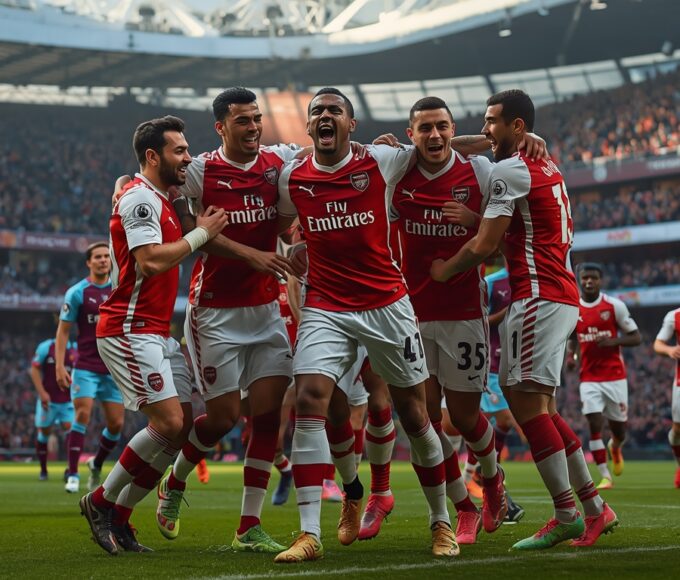







The roar of the crowd, the tension of a last-minute goal, the sheer passion that encapsulates football – it’s a global phenomenon. But beneath the surface of thrilling matches and heroic performances lies a sophisticated financial engine, powering clubs from local leagues to the international stage. Understanding how football clubs generate their income is crucial to grasping their strategic decisions, transfer market moves, and long-term sustainability. This blog post delves into the intricate world of football club revenue streams, explaining the diverse ways these sporting giants fund their operations, invest in talent, and build their empires.
The Power of the Pitch: Matchday Revenue
For many clubs, especially those with loyal local fanbases, the income generated on game days remains a foundational pillar of their financial health. Matchday revenue isn’t just about ticket sales; it encompasses a range of services and experiences offered within the stadium perimeter.
Ticketing and Season Passes
This is the most straightforward and often the largest component of matchday income. Clubs strategically price tickets based on opponent, competition, seating location, and demand. Season tickets, offering access to all home league games, provide a stable, upfront cash flow for clubs and reward loyal supporters.
Practical Example: Clubs like Arsenal are known for some of the highest ticket prices in European football, reflecting high demand and a premium matchday experience. In contrast, Borussia Dortmund leverages its iconic “Yellow Wall” standing terrace to offer more affordable options, maximizing attendance and atmosphere.
Actionable Takeaway: Clubs must optimize their pricing models, balancing accessibility for core fans with premium options, and offer flexible packages to cater to different segments of their fanbase. Loyalty schemes can further incentivize season ticket purchases.












Leave a comment