
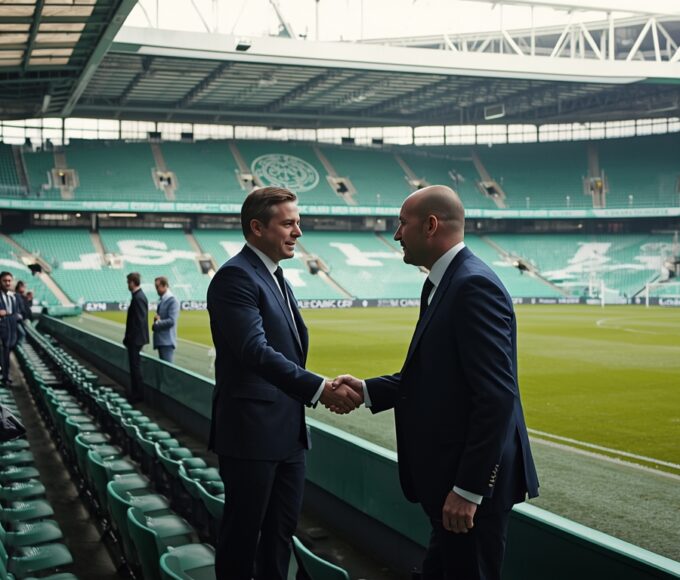




















The beautiful game, with its global appeal and passionate following, often conceals a darker truth beneath the glittering surface of multi-million-pound transfers and packed stadiums. Mismanagement in football clubs is a pervasive issue, capable of derailing even the most storied institutions, turning dreams of silverware into nightmares of debt, relegation, and fan disillusionment. From the highest echelons of European football to the grassroots, the consequences of poor decision-making at the top can ripple through every facet of a club, ultimately impacting its sporting integrity, financial viability, and very existence. Understanding the multifaceted nature of this mismanagement is crucial for fans, investors, and stakeholders alike, highlighting the urgent need for robust governance and strategic foresight.
The Financial Black Hole: Unsustainable Spending and Debt
One of the most common and devastating forms of mismanagement in football clubs stems from financial imprudence. The allure of immediate success can often lead to reckless spending, creating a house of cards that eventually collapses under its own weight.
Debt Accumulation and Bankruptcy Risks
Many clubs operate beyond their means, chasing short-term glory through excessive spending on player wages, transfer fees, and infrastructure projects without a sustainable revenue model. This can lead to crippling debt.
Over-reliance on Owner Funding: Some clubs become overly dependent on a single owner’s deep pockets, which can disappear unexpectedly, leaving the club in crisis.
Failure to Generate Revenue: Poor commercial strategies, declining matchday attendance, or lack of European competition revenue can exacerbate financial woes.
Breaching Financial Fair Play (FFP) Regulations: Introduced by UEFA, FFP aims to prevent clubs from spending more than they earn. Breaches often lead to fines, transfer bans, or even exclusion from competitions, further impacting financial stability.
Practical Example: Portsmouth FC famously spiralled into administration multiple times in the early 2010s due to unsustainable spending, culminating in relegation from the Premier League and nearly out of existence. Bury FC, another historic English club, was expelled from the Football League in 2019 due to severe financial mismanagement and inability to pay debts.
Actionable Takeaway: Clubs must implement robust financial planning, adhere strictly to FFP regulations, and diversify revenue streams beyond just matchday income. A transparent budgetary process and a strong financial director are indispensable.
Poor Investment Decisions
Beyond day-to-day operations, strategic investment choices can also prove disastrous if not carefully considered.
Overpaying for Players: Clubs often pay exorbitant transfer fees and wages for players who either underperform, have limited resale value, or don’t fit the team’s long-term vision.
Unprofitable Infrastructure Projects: Lavish training facilities or stadium expansions undertaken without proper market analysis or projected returns can become financial burdens.
Practical Example: The acquisition of numerous aging, high-wage players by AC Milan in the early 2010s, post-peak, contributed to a significant decline in their financial health and on-pitch performance, taking years to recover.
Actionable Takeaway: Every investment, whether in talent or infrastructure, should be rigorously evaluated for its long-term strategic benefit and financial viability. A dedicated investment committee with diverse expertise can mitigate risks.
On-Pitch Chaos: Sporting Direction and Recruitment Failures
The heart of any football club is its performance on the pitch. Mismanagement in sporting decisions can quickly unravel a team’s potential, leading to a downward spiral of poor results and lost prestige.
Inconsistent Player Recruitment
Player recruitment is arguably the most critical sporting decision. A coherent strategy is vital; without it, a squad can become a disjointed collection of individuals.
Lack of a Clear Playing Philosophy: When recruitment isn’t aligned with a specific style of play or managerial vision, players are often bought who don’t fit the system, leading to underperformance and wasted investment.
Frequent Managerial Changes Impacting Transfers: Each new manager often brings a different player wishlist, leading to constant squad overhauls, high player turnover, and a lack of continuity.
Over-reliance on Agents: Clubs can be swayed by powerful agents, leading to overpriced acquisitions or players who don’t genuinely enhance the squad.
Practical Example: Clubs like Queens Park Rangers (QPR) in the early 2010s, after promotion to the Premier League, famously spent heavily on a disparate group of aging, high-wage players who struggled to gel, leading to rapid relegation.
Actionable Takeaway: Establish a clear club-wide sporting philosophy and a long-term recruitment strategy led by












Leave a comment