














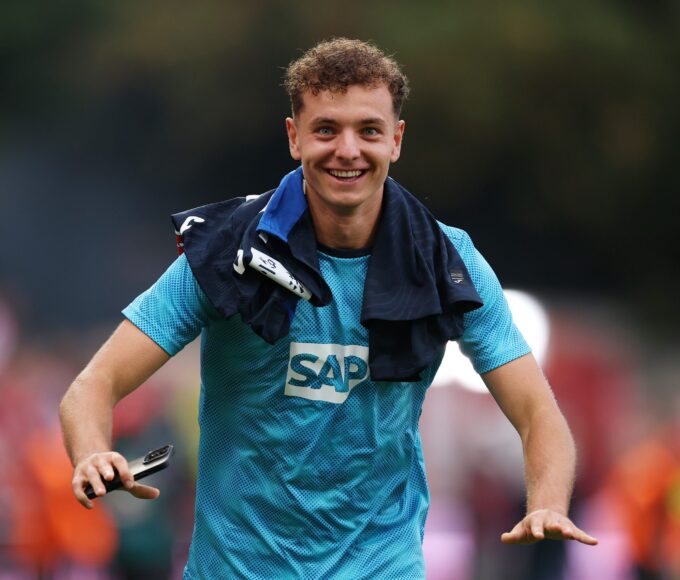


The roar of the crowd, the thrill of a last-minute goal, the passion of a global community – football has always been more than just a game; it’s a cultural phenomenon. But as the world rapidly evolves, so too does its audience. Enter Gen Z, the digital natives born roughly between 1997 and 2012, who are now the largest generation globally and the future lifeblood of football’s fanbase. Marketing to this tech-savvy, value-driven, and highly discerning demographic requires a fundamental shift from traditional approaches. To capture the hearts and minds of Gen Z, football brands, clubs, and leagues must master authenticity, embrace cutting-edge digital platforms, and build genuine connections that extend far beyond the 90 minutes on the pitch.
Understanding the Gen Z Football Fan
To effectively market football to Gen Z, it’s crucial to first understand their unique characteristics, media consumption habits, and what truly resonates with them. This generation isn’t just a younger version of millennials; they operate with an entirely different digital DNA.
Who is Gen Z?
Gen Z are true digital natives, having grown up with smartphones, social media, and instant access to information. This upbringing has shaped their worldview and expectations:
Mobile-First & Always Connected: Their primary device is their smartphone, and they expect seamless, on-demand content.
Short Attention Spans: Accustomed to endless scrolling, they demand engaging, concise, and visually rich content that captures their interest quickly.
Value Authenticity & Transparency: They can spot inauthentic marketing from a mile away. They crave realness, relatability, and genuine interactions.
Socially Conscious & Purpose-Driven: Gen Z cares deeply about social justice, environmental issues, and inclusivity. Brands that align with their values earn their loyalty.
Community-Oriented: While digitally connected, they seek belonging and actively participate in online communities that share their interests.
Their Media Consumption Habits
Unlike previous generations who consumed media passively, Gen Z is an active participant.
On-Demand & Personalized: They expect to choose what they watch, when they watch it, and often how they watch it. Linear TV is often replaced by streaming services and user-generated content platforms.
Visual & Interactive Preference: Videos, memes, interactive polls, and augmented reality (AR) experiences are preferred over static text.
Multi-Platform Engagement: They fluidly move between platforms like TikTok, Instagram, YouTube, Twitch, and Discord, often simultaneously.
Influencer Trust: They often trust recommendations from influencers and peers more than traditional advertisements.
Actionable Takeaway: Deeply research and understand the specific nuances of your Gen Z target audience. Utilize analytics to track their engagement patterns and tailor your content strategy to their mobile-first, value-driven, and interactive preferences.
Dominating Social Media & Short-Form Video
For Gen Z, social media isn’t just a communication tool; it’s a primary source of news, entertainment, and community. Short-form video platforms, in particular, are non-negotiable for football marketing.
The TikTok Takeover and Beyond
TikTok has exploded in popularity among Gen Z, becoming a cultural powerhouse. Football clubs and leagues must be active and creative here.
Behind-the-Scenes Access: Show training ground antics, player locker room celebrations, travel moments, and candid interviews.
Example: Premier League clubs like Arsenal and Manchester City frequently post short, humorous clips of players interacting, participating in trending challenges, or showing off unique skills. These videos often go viral, humanizing the players and club.
Player Personalities: Allow players to showcase their individuality, humor, and interests beyond the pitch.
Example:* Individual players like Jude Bellingham or Vinicius Jr. often share glimpses into their lives, fashion, or even gaming habits, connecting with fans on a












Leave a comment