
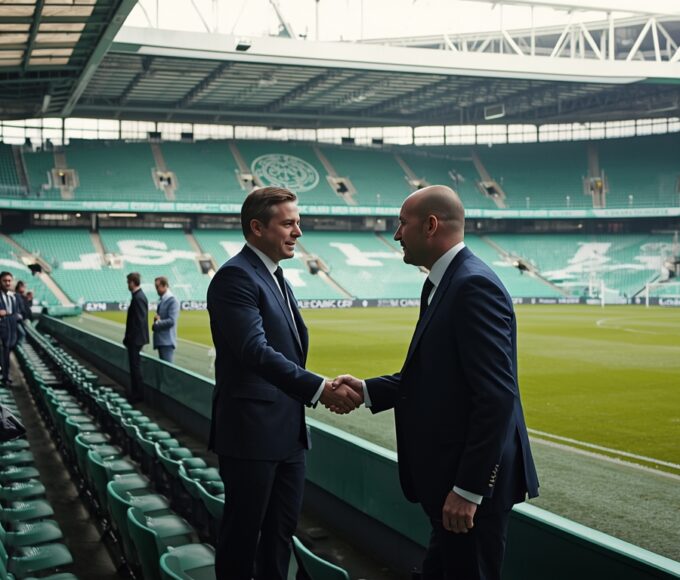




















The roar of the crowd, the thrill of victory, the agony of defeat – for millions worldwide, a sports club is more than just a team; it’s a community, a heritage, a deeply personal passion. Yet, behind the scenes of every exhilarating match, the intricate world of club ownership often harbors complexities that can shake the very foundations of these beloved institutions. From financial scandals to ethical dilemmas and power struggles, club ownership controversies are a recurring narrative, capable of transforming fan dreams into nightmares and irrevocably altering a club’s destiny. Understanding these contentious issues is crucial for anyone invested in the future of sports, revealing the delicate balance required to maintain sporting integrity while navigating the commercial demands of modern athletics.
The Root Causes of Club Ownership Controversies
Club ownership, while often driven by passion and prestige, is also a significant business venture. This dual nature frequently gives rise to disputes and controversies, stemming from a variety of underlying issues.
Financial Mismanagement and Debt Accumulation
One of the most common and damaging causes of ownership controversies is poor financial stewardship. Owners might overspend on player transfers, leverage club assets for personal gain, or simply lack the business acumen to run a multi-million-dollar enterprise sustainably.
Over-leveraging Assets: Using the club’s stadium or training ground as collateral for loans, putting the club at risk if financial targets are not met.
Unsustainable Spending: Investing heavily in players or staff salaries without a clear revenue generation strategy, leading to mounting debt.
Neglect of Infrastructure: Prioritizing short-term gains over long-term investment in youth academies, training facilities, or stadium maintenance, which impacts future viability.
Practical Example: Several historic football clubs in Europe have faced administration or relegation due to owners accumulating vast debts, leading to transfer embargoes, points deductions, and ultimately, the sale of key players just to stay afloat. Fans often feel betrayed as their club’s legacy is threatened by financial recklessness.
Actionable Takeaway: Clubs need robust financial controls and independent audits. Regulators must enforce strict “Financial Fair Play” rules to prevent owners from endangering clubs through excessive debt.
Conflicting Visions and Ambitions
Disagreements over the club’s direction, whether between owners and management, or among a consortium of owners, can lead to significant internal strife. These conflicts often manifest in frequent managerial changes, inconsistent transfer policies, and a lack of clear strategic direction.
Short-Term vs. Long-Term Goals: Owners seeking immediate success and profit often clash with management focused on sustainable development and youth integration.
Sporting vs. Commercial Priorities: When commercial interests (e.g., brand expansion into new markets) overshadow sporting performance, fan alienation can occur.
Divergent Personal Agendas: In multi-owner structures, personal rivalries or differing philosophies can paralyze decision-making.
Practical Example: A new owner might want to transform a traditional club into a global brand overnight, clashing with a long-serving manager who prioritizes local talent and community engagement. This can lead to public disagreements, staff turnover, and a fractured identity for the club.
Actionable Takeaway: Clear communication channels, a well-defined club philosophy, and a strong, independent board are essential to align all stakeholders with a singular vision.
Lack of Transparency and Accountability
Opaque ownership structures, undisclosed funding sources, and a general lack of openness can breed distrust and fuel speculation, leading to major controversies. Fans and regulators alike demand clarity, especially when significant investments or changes are made.
Hidden Ownership Structures: Complex corporate webs making it difficult to ascertain the true beneficial owner, raising questions about motives and origins of wealth.
Undisclosed Debts or Assets: Failure to fully disclose the club’s financial health, leading to unpleasant surprises down the line.
- Boardroom Secrecy: Decisions made behind closed doors without consultation or clear rationale, eroding confidence.
Practical Example: The protracted takeover sagas in various sports leagues often involve intense scrutiny












Leave a comment