


















The allure of owning a sports club is undeniable – a blend of passion, prestige, and the potential for immense success. From the roaring crowds to the strategic boardrooms, it’s a dream for many. However, the reality often presents a far more complex picture. Beneath the glittering facade of trophy lifts and record signings, club ownership is frequently riddled with controversies that can jeopardize a club’s legacy, alienate its fanbase, and even threaten its very existence. Navigating the turbulent waters of modern sports business requires more than just deep pockets; it demands foresight, integrity, and a profound understanding of the unique bond between a club and its community.
The Financial Minefield: Debt, Mismanagement, and Sustainability
Financial stability is the bedrock of any successful sports club. Unfortunately, many ownership controversies stem directly from fiscal irresponsibility, opaque dealings, or an unsustainable business model. The desire for immediate success often overrides long-term prudence, leading to disastrous consequences.
Overspending and Leveraging Assets
One of the most common pitfalls is the temptation to overspend on player transfers and wages, often without a clear revenue generation strategy. Owners might inject significant capital initially, but if the club doesn’t perform or generate sufficient income, the debt can quickly become crippling.
The “Sugar Daddy” Trap: While an owner’s deep pockets can bring immediate success, it can also mask underlying financial weaknesses. If that funding dries up or the owner loses interest, the club is left with an inflated wage bill and unsustainable operating costs.
Leveraged Buyouts (LBOs): Some owners acquire clubs using the club’s own assets as collateral for the loan. This means the club starts its new ownership era burdened with the debt of its own acquisition, diverting potential investment from the team or infrastructure. A study by KMPG in 2020 highlighted that over 30% of European football clubs reported net losses, with many carrying significant debt loads.
Opaque Financial Dealings and FFP Breaches
Lack of transparency in financial reporting can hide a multitude of sins, from questionable related-party transactions to outright fraud. Regulatory bodies, like UEFA with its Financial Fair Play (FFP) rules, attempt to curb excessive spending and promote sustainability, but breaches are common and lead to sanctions.
FFP Sanctions: Clubs found in breach of FFP rules face penalties ranging from fines and transfer restrictions to exclusion from competitions. These sanctions not only hit the club financially but also damage its reputation and sporting ambitions.
Asset Stripping: In extreme cases, unscrupulous owners might use the club as a vehicle to enrich themselves, selling off valuable assets (e.g., training grounds, stadium rights) for personal gain, leaving the club hollowed out.
Actionable Takeaway: Prospective owners must conduct rigorous due diligence into a club’s financial health, and fans should demand greater transparency from their clubs, advocating for robust independent audits and clear financial reporting.
Sporting Decline: Short-Termism vs. Long-Term Vision
Club ownership is not just about balance sheets; it’s fundamentally about sporting success and the pursuit of excellence. Controversies often arise when ownership decisions directly undermine the club’s competitive standing or betray its sporting identity.
Poor Strategic Planning and Managerial Turnover
A common complaint from fans is a lack of clear sporting strategy, leading to a revolving door of managers and a disjointed squad. Owners might interfere excessively in team selection or transfer policy, overriding the expertise of sporting directors and coaches.
Managerial Merry-Go-Round: Frequent changes in management destabilize the team, prevent long-term player development, and often incur significant severance costs. A survey by the League Managers Association (LMA) once noted the average tenure of a manager in English football is often less than two years.
Conflicting Visions: When the owner’s vision for the team (e.g., buying ‘star’ players for commercial appeal) clashes with the manager’s tactical needs, it creates internal strife and poor on-field performance.
Disregard for Club Culture and Fan Expectations
Every club has a unique identity, history, and set of values deeply cherished by its fanbase. Owners who disregard this culture, make decisions without fan consultation, or attempt to rebrand the club without understanding its heritage often face fierce backlash.
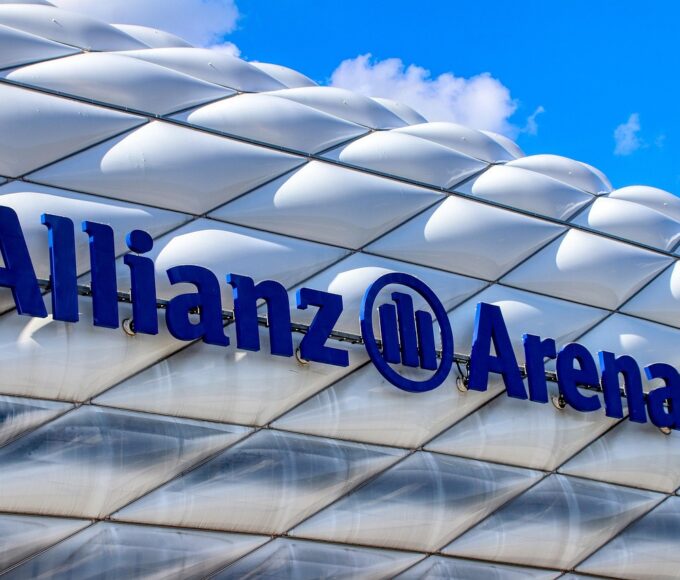
Stadium Renaming Controversies: Selling naming rights to historic stadiums can be a significant revenue stream but often deeply offends traditional fans who see it as erasing part of the club’s identity.
European Super League Debacle: The attempt by a group of elite European clubs to form a breakaway league spectacularly failed due to unprecedented fan











Leave a comment