












The modern football club is far more than just a team on a pitch; it’s a sophisticated global enterprise, constantly seeking innovative ways to generate income and sustain its competitive edge. Understanding the complex web of football club revenue streams is crucial for fans, investors, and industry professionals alike. From multi-billion dollar broadcasting deals to grassroots merchandise sales, each revenue channel plays a vital role in funding player acquisitions, stadium developments, and the overall operational costs of these sporting giants. This detailed exploration uncovers the primary financial engines driving the world’s most popular sport.
The Power of Broadcasting Rights
Broadcasting rights represent the single largest revenue stream for many top-tier football clubs, particularly in Europe’s elite leagues. The insatiable global demand for live football content has driven media companies to pay astronomical figures for the exclusive rights to air matches.
Domestic vs. International Deals
Domestic Rights: These are deals struck within a country for its own league and cup competitions. For instance, the English Premier League’s domestic rights are sold to broadcasters like Sky Sports and TNT Sports, providing a foundational income for its clubs. These deals are often negotiated collectively by the league, with revenue distributed based on league position, facility fees (for televised games), and merit payments.
International Rights: The global appeal of leagues like the Premier League, La Liga, and the Bundesliga means their matches are broadcast in nearly every corner of the world. These international deals significantly amplify revenue, bringing in billions from territories far beyond the clubs’ home countries. UEFA’s Champions League and Europa League also generate massive collective broadcasting revenue, distributed among participating clubs based on performance and market pool share.
Impact on Club Finances
The sheer scale of broadcasting revenue provides financial stability and allows clubs to invest heavily in top talent and infrastructure. It often dwarfs other income sources, particularly for clubs in leagues with strong global appeal. For example, even clubs finishing lower down the Premier League table receive substantial sums, highlighting the league’s immense financial power.
Actionable Insight: Clubs and leagues continually strategize to maximize broadcasting value by exploring new markets, digital platforms, and innovative content delivery methods to reach an ever-expanding global audience.
Commercial Ventures: Beyond the Pitch
Commercial revenue encompasses a diverse range of income streams derived from a club’s brand, intellectual property, and marketing activities. This area has seen tremendous growth as clubs transform into global brands.
Sponsorship and Partnership Deals
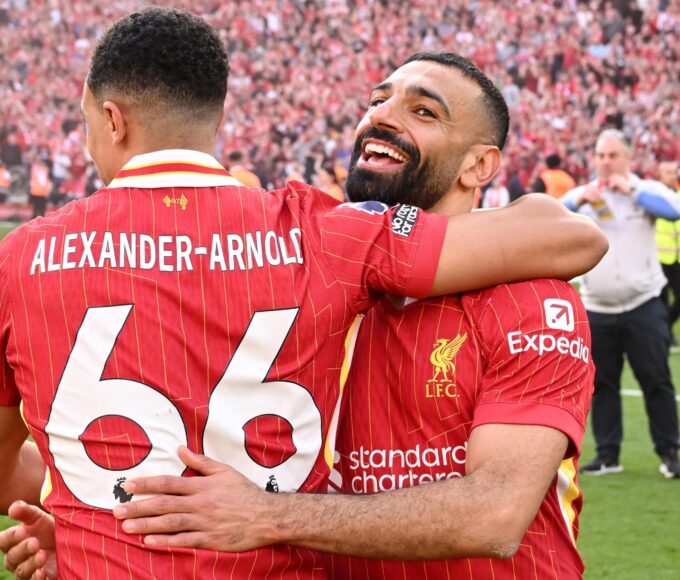
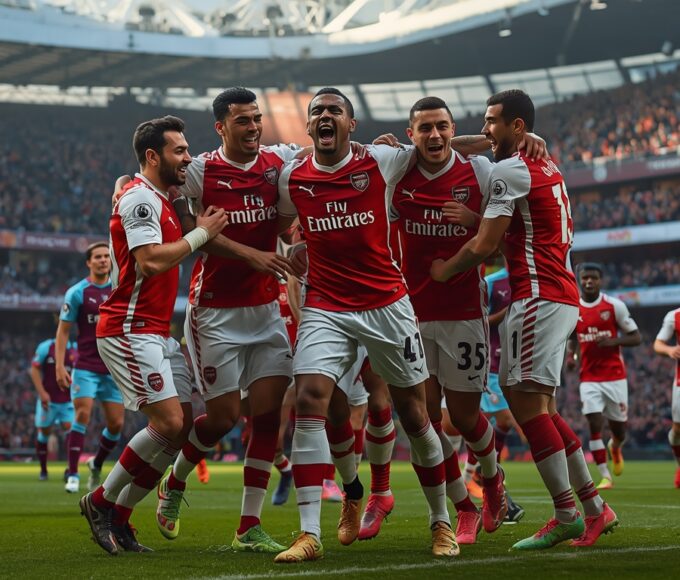
Shirt Sponsors: The most visible form of sponsorship, where a company’s logo is emblazoned on the club’s kit. These multi-million-pound deals are often multi-year agreements with global brands. Examples include Emirates with Real Madrid or Standard Chartered with Liverpool.
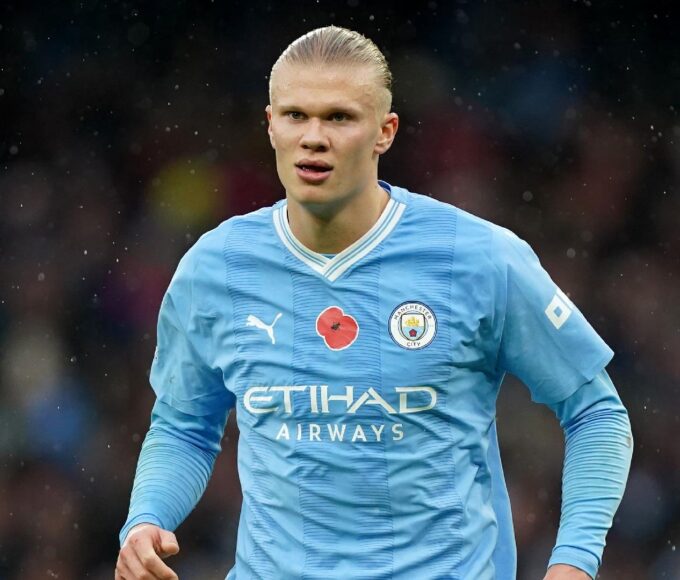
Kit Manufacturers: Partnerships with sportswear giants like Nike, Adidas, or Puma provide clubs with significant income, often in exchange for designing and supplying playing kits and training wear. These deals can also include performance bonuses and royalty payments on merchandise sales.
Official Partners: Clubs engage a multitude of “official” partners across various sectors (e.g., official airline, official car, official betting partner, official soft drink). These deals, while individually smaller than main shirt sponsorships, collectively add up to substantial figures and allow brands to associate with the club’s image and fan base.
Merchandise and Licensing
Kit Sales: Replicas of playing kits, often including player names and numbers, are hugely popular globally. Clubs earn revenue from direct sales through their official stores and online platforms, as well as royalties from kit manufacturers.
Branded Merchandise: Beyond kits, clubs sell a vast array of branded products, from scarves and hats to mugs, stationery, and even home decor. This allows fans to express their allegiance in numerous ways.
Licensing Agreements: Clubs license their brand, logo, and player images for use in video games (e.g., EA Sports FC), collectibles, and other products, generating royalty income without direct production costs.
Stadium Naming Rights & Pre-Season Tours
Stadium Naming Rights: Many clubs sell the naming rights to their stadiums to corporate sponsors for significant sums over long periods. Examples include the Emirates Stadium (Arsenal) or the Allianz Arena (Bayern Munich). This provides a substantial, long-term commercial income.
Pre-Season Tours: Top clubs undertake lucrative pre-season tours to lucrative markets (e.g., Asia, USA) for exhibition matches. These tours generate income through appearance fees, ticket sales, and merchandise sales in new territories, while also expanding the club’s global brand presence.
Actionable Insight: Clubs must continuously innovate their commercial strategies, identifying new partnership opportunities, expanding their product lines, and leveraging their brand’s global appeal to maximize this vital revenue stream.
Matchday Revenue: The Heartbeat of the Club
Matchday revenue, though often a smaller percentage of total income compared to broadcasting for elite clubs, remains crucial. It represents the direct financial contribution of fans attending games and experiencing the stadium atmosphere.
Ticketing and Season Passes
Season Tickets: The bedrock of matchday income, offering guaranteed attendance for all home league games (and sometimes cup competitions) at a fixed price. These provide upfront capital for clubs.
Individual Match Tickets: Sales for single games cater to casual fans, tourists, and those unable to commit to a season ticket. Pricing often varies based on opponent, competition, and seating location.
Premium Seating: Dedicated sections with enhanced views, comfort, and sometimes exclusive access or services, priced at a premium.
Hospitality and VIP Experiences
Corporate











Leave a comment