









The roar of the crowd, the thrill of the game, and the global passion for football transcend mere sport; it’s a multi-billion dollar industry driven by intricate financial ecosystems. Far from simply selling tickets, today’s elite football clubs are sophisticated global enterprises, meticulously cultivating diverse revenue streams to fuel player acquisitions, stadium developments, and operational costs. Understanding how these giants generate their wealth offers a fascinating glimpse into the business acumen behind the beautiful game, revealing a complex tapestry of commercial innovation, media rights, and fan engagement strategies that underpin their success and sustainability.
The Foundation: Matchday Revenue
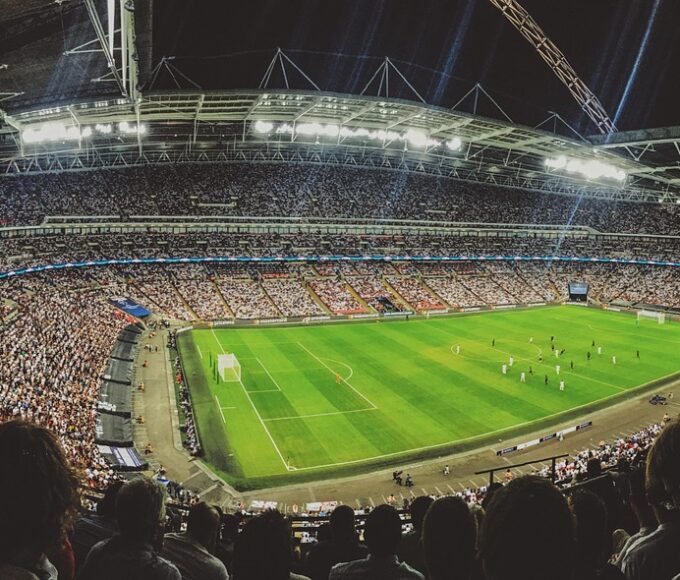
For decades, the income generated directly from fans attending games was the bedrock of a club’s finances. While its proportion relative to other streams has shifted, matchday revenue remains a critical component, fostering a direct connection with the fanbase and providing a consistent cash flow.
Ticket Sales & Season Passes
The most straightforward revenue stream, ticket sales, encompasses individual match tickets and, more significantly, season passes. These provide clubs with guaranteed income upfront, often before a ball is even kicked.
Guaranteed Income: Season ticket holders commit for the entire season, providing financial stability.
Fan Loyalty: Rewarding loyal fans with priority access and sometimes discounted rates.
Pricing Strategies: Clubs employ dynamic pricing, varying ticket costs based on opponent, competition, and seating location.
Examples: A club like Manchester United, with its massive stadium (Old Trafford), can generate tens of millions annually purely from matchday tickets, leveraging its global fanbase and consistent demand.
Hospitality & Premium Experiences
Beyond standard tickets, clubs offer a range of premium packages designed for corporate clients and affluent fans. These often include executive boxes, lounge access, fine dining, and prime viewing spots.
High-Margin Revenue: Hospitality packages command significantly higher prices than regular tickets.
Corporate Engagement: A key tool for B2B networking and client entertainment.
Diverse Offerings: From an executive box for 10 to a single seat in a premium lounge, options cater to various budgets and needs.
Actionable Insight: Investing in modern stadium infrastructure with ample corporate hospitality facilities is crucial for maximizing this lucrative segment. New stadiums often feature extensive premium areas, significantly boosting per-match revenue.
Concessions & Stadium Services
Once inside the stadium, fans spend money on food, beverages, merchandise, and other services. This often overlooked stream can add substantial figures to a club’s bottom line.
Food & Beverage: Sales of hot dogs, pies, drinks, and snacks.
Matchday Merchandise: Temporary kiosks selling scarves, shirts, and souvenirs.
Parking & Programmes: Additional services provided on match days.
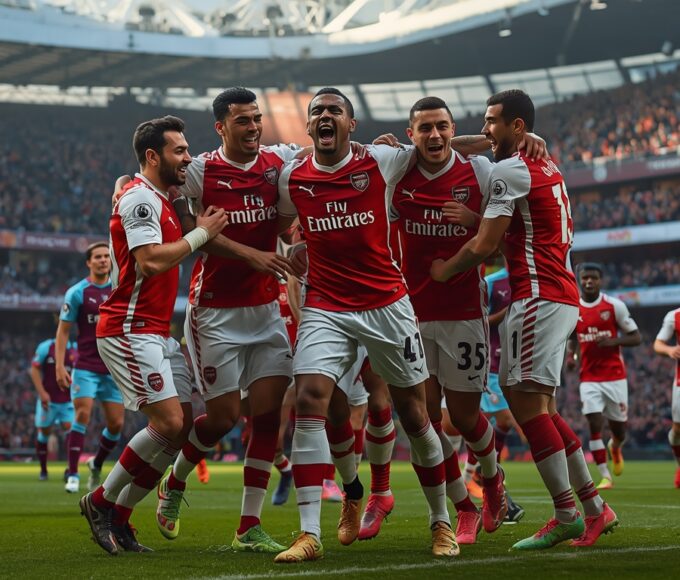
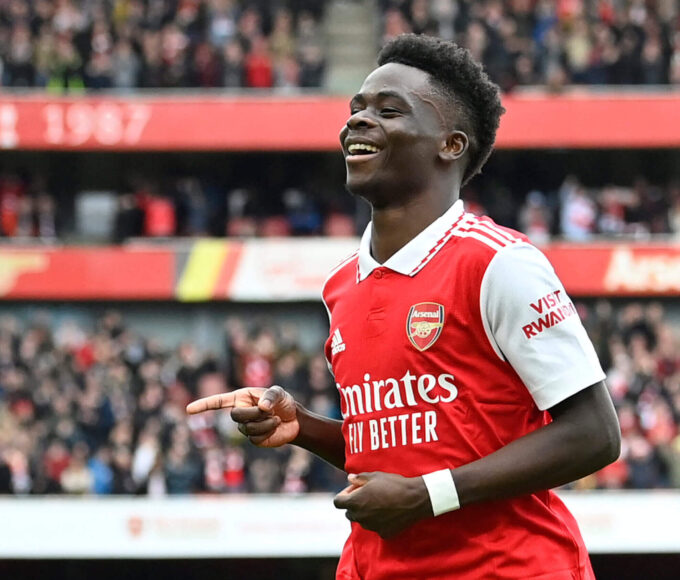
Example: Arsenal’s Emirates Stadium, known for its modern facilities, optimizes concession sales through multiple vendors and efficient service, enhancing the fan experience while boosting revenue.
The Global Reach: Broadcasting & Media Rights
The advent of television and, more recently, digital platforms, has transformed football into a global spectacle, making broadcasting rights the single largest revenue stream for many top clubs. These deals involve selling the rights to transmit matches to audiences worldwide.
Domestic & International TV Deals
Leagues and competition organizers negotiate massive deals with broadcasters, distributing a significant portion of the revenue to participating clubs.
League-Wide Deals: Premier League, La Liga, Serie A, Bundesliga, and Ligue 1 collectively sell rights for billions of euros.
Performance-Based Distribution: Clubs receive a share based on league position, number of televised games, and equal shares.
International Growth: The global appeal of top European leagues drives increasingly lucrative international broadcasting contracts.
Practical Example: The English Premier League’s broadcasting rights deals, both domestic and international, are worth several billion pounds over a multi-year cycle, with even the lowest-ranked club receiving a substantial sum, ensuring financial stability across the league.
Competition Prize Money
Participation and performance in prestigious competitions, particularly the UEFA Champions League and Europa League, yield substantial prize money and further broadcasting revenue.
Performance Incentives: Clubs earn more for progressing through tournament stages.
Market Pool: A portion of Champions League revenue is distributed based on the proportional value of each TV market.
Historical Performance: A new “coefficient ranking” system awards additional money based on a club’s historical European performance.
Actionable Takeaway: Consistent qualification for and deep runs in European competitions are paramount for elite clubs, not just for prestige but for the immense financial boost, which can exceed €100 million for a winner.
Digital Media & Content Monetization
Beyond traditional TV, clubs are increasingly monetizing their digital presence through club-specific streaming platforms, social media content, and exclusive digital subscriptions.
Club-Owned Platforms: Offering exclusive behind-the-scenes content, documentaries, and even live youth team matches.
Social Media Engagement: Using platforms to attract sponsors, drive merchandise sales, and build global fanbases.
Subscription Services: Providing premium digital content to paying subscribers.
Example: Real Madrid and Barcelona leverage their massive social media followings (hundreds of millions) to engage fans globally, creating opportunities for targeted advertising and direct-to-consumer content monetization.
Building Brands: Commercial Partnerships & Merchandising
Commercial revenue, encompassing sponsorships, merchandising, and licensing, is where clubs truly act as global brands, leveraging their immense popularity and reach. This stream has seen explosive growth, often surpassing matchday income for top clubs.
Sponsorships & Endorsements
Clubs form partnerships with corporations, offering brand visibility in exchange for significant financial investment.
- Front-of-Shirt Sponsors:











Leave a comment