
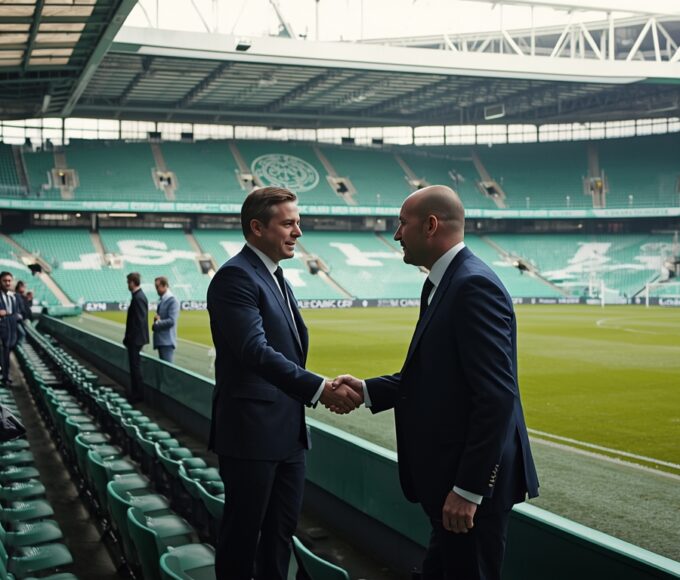




















The roar of the crowd, the thrill of a last-minute goal, the shared passion that binds millions – football is more than just a game; it’s a global culture. And at the heart of this culture, beyond the stadium walls and television screens, lies a booming industry: football club merchandise. What was once a niche market for match-day souvenirs has exploded into a multi-billion dollar global phenomenon, driven by fervent fan loyalty, strategic business acumen, and a rapidly evolving retail landscape. This unprecedented growth in merchandise sales isn’t just about selling jerseys; it’s a testament to the deepening connection between clubs and their supporters, transforming passion into tangible, wearable, and collectible assets.
The Global Phenomenon of Football Merchandise
Football club merchandise has transcended its traditional role, becoming a cornerstone of brand identity and a powerful economic engine for clubs worldwide. It’s a tangible link that allows fans to express their allegiance daily.
Beyond the Pitch: A Lifestyle Statement
For many fans, club merchandise is no longer reserved for game days. It has seamlessly integrated into everyday fashion and lifestyle choices.
Everyday Wear: From casual hoodies and t-shirts to stylish scarves and caps, fans incorporate club colors and crests into their regular wardrobes, showcasing their loyalty wherever they go.
Home & Office: Mugs, keychains, phone cases, and even bedding featuring club branding allow fans to infuse their personal spaces with their team spirit.
Fashion Collaborations: High-profile clubs are increasingly partnering with fashion brands to create limited-edition collections, blurring the lines between sports apparel and haute couture, appealing to a broader, fashion-conscious demographic.
Economic Impact and Revenue Streams
Merchandise sales represent a significant and growing revenue stream for football clubs, complementing matchday tickets, broadcasting rights, and sponsorship deals.
Direct Sales: Through official club stores (physical and online), clubs directly profit from every item sold.
Licensing Agreements: Clubs license their brand to third-party manufacturers for various product categories (e.g., video games, toys, home goods), earning royalties on sales without direct production costs. This strategy expands product reach and variety significantly.
Brand Value Enhancement: A strong merchandise presence reinforces the club’s brand, making it more attractive to sponsors and investors.
Actionable Takeaway: Clubs should view their merchandise division not merely as a retail outlet, but as a core business unit crucial for financial stability and brand amplification, investing in design, marketing, and distribution.
Key Drivers Behind Merchandise Sales Growth
Several interconnected factors have fueled the remarkable surge in football merchandise sales, reflecting shifts in fan behavior, technology, and global market dynamics.
Expanding Global Fan Bases
The internet and social media have dissolved geographical boundaries, allowing clubs to cultivate vast international followings.
Digital Connectivity: Social media platforms (e.g., Instagram, TikTok, X) enable clubs to engage with fans across continents, sharing content, news, and behind-the-scenes glimpses that foster deeper connections.
International Tours: Pre-season tours to Asia, North America, and other emerging markets introduce clubs and their star players to new audiences, converting curious spectators into passionate supporters.
Localized Content: Clubs are increasingly producing content in multiple languages, catering specifically to regional fan bases and making merchandise more appealing.
Practical Example: The Premier League’s immense popularity in Asia has led to a surge in shirt sales for clubs like Manchester United and Liverpool in countries like China, India, and Indonesia.
Actionable Takeaway: Invest in localized marketing campaigns and robust international shipping infrastructure to capitalize on the global appeal of your club.
E-commerce Revolution and Digital Accessibility
The shift to online retail has democratized access to club merchandise, making it easier than ever for fans worldwide to purchase official products.
24/7 Availability: Online stores are always open, allowing fans to shop at their convenience, regardless of time zones.
Global Shipping: Advanced logistics and shipping networks mean a fan in Tokyo can easily order a jersey from a club in Madrid.
Mobile Shopping: Optimized mobile websites and dedicated shopping apps provide a seamless purchasing experience on smartphones and tablets, catering to the on-the-go fan.
Practical Example: Real Madrid’s online store offers a wide range of










Leave a comment