









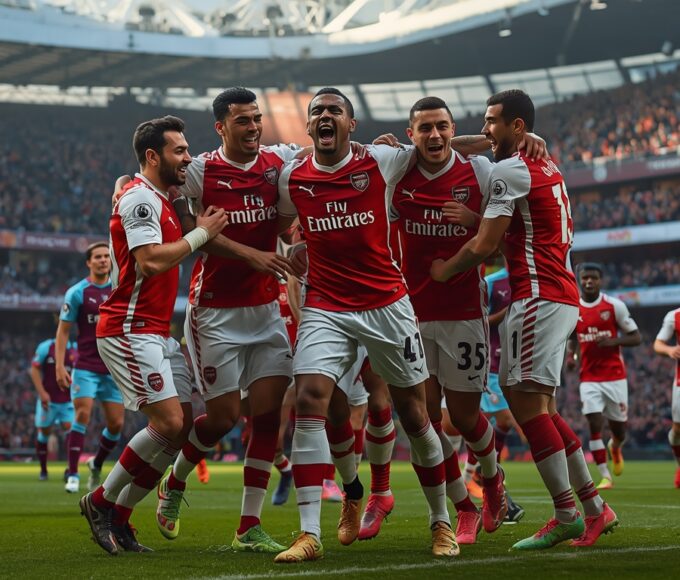







In the rapidly evolving world of sports and community organizations, a silent but profound crisis is unfolding: the erosion of club identity and heritage. Beyond the immediate wins and losses, beyond the balance sheets and sponsorship deals, lies the soul of a club – its history, its values, and the unique connection it fosters with its community. This intrinsic identity, built over decades or even centuries, is what transforms a mere organization into a cherished institution. Yet, under the relentless pressure of modernization, commercialization, and globalization, many clubs find themselves at a crossroads, risking the very essence that makes them special. Understanding this threat and actively working to preserve what makes a club unique is not just about sentimentality; it’s about ensuring its long-term relevance, sustainability, and emotional resonance for generations to come.
The Indispensable Core: What Defines Club Identity and Heritage?
Club identity and heritage are the bedrock upon which a club’s entire existence is built. They represent the collective memory, shared values, and distinguishing characteristics that set one club apart from all others. This isn’t merely a logo or a kit; it’s a living, breathing entity.
Elements of Club Identity
Founding Principles and Values: The core beliefs established at inception, often reflecting local community values (e.g., resilience, hard work, fair play).
Geographic and Community Roots: The deep connection to a specific town, city, or neighborhood, often represented by local talent, dialect, or community initiatives.
Unique Traditions and Rituals: Pre-match songs, specific chants, fan gatherings, or unique celebrations that have been passed down through generations.
Iconic Figures and Legends: Players, coaches, administrators, or even fans who embody the club’s spirit and have shaped its history.
Colors, Crest, and Mottos: Visual and verbal identifiers that symbolize the club’s history, aspirations, and character.
Playing Style and Philosophy: A recognizable approach to the game or activity that reflects the club’s ethos (e.g., attacking football, defensive solidity, youth development focus).
Why Heritage Matters More Than Ever
Heritage provides a sense of belonging and continuity, crucial for fan loyalty and community cohesion.
Emotional Connection: It fosters a deep, almost familial bond between fans and the club, transcending mere sporting interest.
Brand Differentiation: In a crowded market, a strong, authentic identity makes a club unique and memorable, attracting and retaining supporters.
Community Anchor: Clubs often serve as vital social hubs, particularly in smaller towns, embodying local pride and providing shared experiences.
Resilience and Stability: During challenging times (e.g., poor performance, financial difficulties), a strong identity and loyal fanbase can provide the unwavering support needed to persevere.
Actionable Takeaway: Conduct an internal audit to clearly define your club’s core values, traditions, and historical narratives. Engage long-standing members and fans in this process to capture authentic insights.
Triggers of Identity Erosion in Modern Clubs
The pressures of the modern era can subtly, and sometimes overtly, chip away at a club’s foundational identity. Recognizing these triggers is the first step toward mitigation.
The Impact of Commercialization and Globalization
The drive for financial success and global reach often conflicts with local traditions.
Stadium Naming Rights: While financially lucrative, renaming a historic stadium can dilute its emotional significance for fans (e.g., “The Emirates Stadium” replacing “Highbury” for Arsenal, though Highbury was a previous stadium).
Kit Redesigns: Frequent and radical changes to traditional club colors or crests for commercial reasons can alienate fans who see them as sacred symbols.
Global Fanbase Pursuit: Tailoring marketing to international audiences can sometimes overshadow efforts to engage the local community, leading to a disconnect.
Player Turnover and Mercenary Culture: High player rotation, driven by transfers and wages, can prevent players from truly embedding themselves in the club’s culture and community, weakening the link between players and fans.
Ownership Changes and Shifting Priorities
New ownership can bring vital investment but also a different vision that may clash with established identity.
External vs. Local Ownership: Owners with no intrinsic connection to the club’s history or locale might prioritize profit over tradition, leading to decisions that disregard fan sentiment.
Rapid Modernization without Consultation: Implementing sweeping changes to club operations, branding, or even playing philosophy without consulting the fanbase or understanding historical context can cause significant backlash.
- Relocation or Merger Threats: In extreme cases, financial pressures or ownership decisions can lead to threats of club relocation or mergers, directly severing community ties (e.g., Wimbledon FC’s controversial relocation and rebranding to MK Dons).
The Pace of Modern Life and Technological Disruption
While beneficial in many ways











Leave a comment