


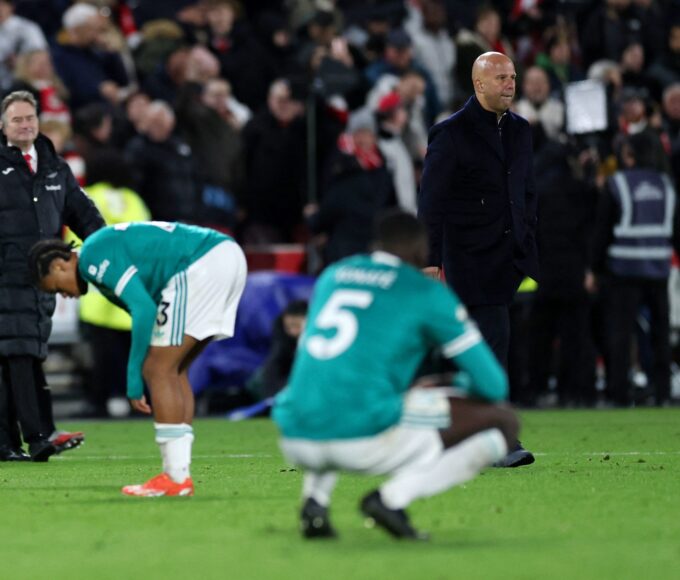


















The roar of the crowd, the thrill of victory, the unwavering loyalty of fans – football clubs represent more than just a sport; they are pillars of local communities and dreams for millions. Yet, beneath the glittering facade of multi-million-pound transfers and packed stadiums, a darker reality often looms: financial instability. The history of football is unfortunately littered with cautionary tales of clubs that have succumbed to bankruptcy, administration, and even liquidation, leaving behind a trail of broken hearts and shattered dreams. Understanding the causes, consequences, and preventative measures against football club bankruptcy is crucial for stakeholders, fans, and anyone invested in the beautiful game’s future.
The Anatomy of Financial Distress in Football
The journey from thriving club to financial distress is often a complex path paved with a combination of poor decisions, unforeseen circumstances, and the inherent risks of a competitive industry. Identifying the root causes is the first step towards prevention.
Common Causes of Club Bankruptcy
Football clubs, despite their unique cultural status, are businesses, and like any business, they can fail. The reasons are varied but often interconnected:
Overspending on Transfers and Wages: The relentless pursuit of success often leads clubs to invest heavily in top players and offer exorbitant wages, sometimes far exceeding their sustainable revenue. This “keeping up with the Joneses” mentality can quickly spiral out of control.
Poor Commercial Management: A lack of robust commercial strategies, failure to diversify revenue streams beyond matchday income, and inefficient operational costs can severely hamper a club’s financial health.
Lack of Sustainable Revenue Streams: Over-reliance on a single revenue source (e.g., TV rights, owner’s investment) makes clubs vulnerable to market fluctuations or owner withdrawal.
Relegation Impact: Dropping down a league can have a catastrophic financial impact due to reduced TV revenue, lower attendances, and diminished sponsorship deals, often leading to a vicious cycle of player sales and underperformance.
Owner Mismanagement or Withdrawal of Funds: Some clubs become overly dependent on a wealthy owner. If that owner loses interest, faces personal financial difficulties, or makes poor strategic decisions, the club’s financial stability can collapse.
External Economic Shocks: Unforeseen global events, such as the COVID-19 pandemic, can suddenly halt matchday income and commercial activities, exposing clubs with weak financial reserves.
Example: Portsmouth FC’s Decline: From FA Cup winners in 2008 to multiple administrations and relegation to the fourth tier, Portsmouth’s story exemplifies the dangers of unsustainable spending, particularly on players and wages, chasing short-term success.
Early Warning Signs
Financial distress rarely appears overnight. There are often clear indicators that a club is heading for trouble:
Delayed Wage Payments: One of the most glaring signs, impacting player morale and club reputation.
Transfer Embargoes: Imposed by league authorities for failing to pay transfer fees or other debts.
Increasing Debt-to-Revenue Ratio: A club’s debts growing disproportionately faster than its income.
Player Sales Driven by Necessity, Not Strategy: Key players being sold off to cover operational costs rather than as part of a long-term squad building plan.
Falling Attendance/Sponsorships: A decline in fan engagement and commercial partners, indicating a loss of confidence in the club’s direction.
Actionable Takeaway: Stakeholders, including fans, should pay attention to financial reports (where available) and league statements regarding club compliance to identify these red flags early.
The Legal and Financial Framework: Administration and Insolvency
When a club’s financial situation becomes untenable, formal insolvency procedures are often initiated. “Administration” is a common term used in the UK football context, representing a critical stage in a club’s battle for survival.
Understanding “Administration” in Football
Administration is a formal legal process under insolvency law where an independent licensed insolvency practitioner (the administrator) is appointed to take control of a company’s affairs.
Definition: Its primary purpose is to rescue the












Leave a comment