











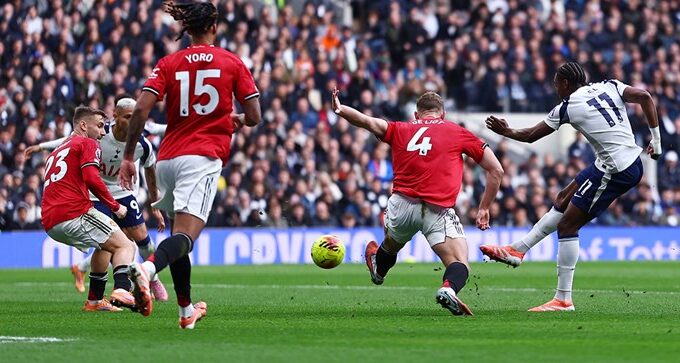









In the dynamic world of football betting, few markets capture the imagination and offer as much consistent excitement as “Both Teams to Score” (BTTS). It’s a simple yet thrilling proposition: will both sides find the back of the net during a match? This market has surged in popularity not just for its straightforward nature, but also for the constant drama it provides, keeping you on the edge of your seat until the final whistle. Unlike traditional match-winner bets, BTTS doesn’t care who wins or loses, only that both teams contribute to the scoreboard. For seasoned bettors and newcomers alike, understanding the nuances of this market can unlock significant value and transform your match-day viewing into a more engaging and potentially profitable experience. This comprehensive guide will delve deep into the strategies, analysis, and practical tips needed to master BTTS betting.
Understanding the Both Teams to Score (BTTS) Market
The BTTS market is one of the most popular and accessible betting options in football. It’s a binary choice: either both teams score at least one goal, or they don’t. This simplicity, however, belies a rich layer of analytical depth that, when explored, can lead to well-informed betting decisions.
What is BTTS and Why is it Popular?
BTTS, often abbreviated, simply asks whether “Yes” both teams will score, or “No” at least one team will fail to score. Its popularity stems from several factors:
Simplicity: The concept is easy to grasp, even for beginners.
Constant Engagement: Your bet remains live and exciting throughout the entire 90 minutes, regardless of the scoreline, as long as a goal is still possible for either side.
High Odds Potential: Odds for “Yes” are often attractive, especially in evenly matched games or those featuring strong attacks and weaker defenses.
Focus on Goals: For many football fans, goals are the most exciting part of the game, and BTTS directly taps into this excitement.
Types of BTTS Bets
While the core BTTS bet is straightforward, bookmakers sometimes offer variations:
BTTS Yes/No: The standard market, as described above.
BTTS & Match Result: Combining BTTS with predicting the match winner (e.g., “BTTS Yes & Home Win”). This offers higher odds but requires two accurate predictions.
BTTS in Both Halves: A more niche market where both teams must score in the first half AND both teams must score in the second half. This is significantly harder to predict and offers very high odds.
Actionable Takeaway: For this guide, we’ll primarily focus on the standard “BTTS Yes” market, as it offers the most balanced risk-reward for strategic betting.
Key Factors Influencing BTTS Outcomes
Successful BTTS betting hinges on a thorough understanding of the factors that make a game more or less likely to see goals from both sides. It’s a blend of offensive prowess and defensive vulnerability.
Analyzing Team Form and Goal-Scoring Ability
A team’s recent form is a strong indicator of its current offensive capabilities.
Consistent Goal Scorers: Look for teams with a proven track record of scoring in most of their recent matches, especially against varying opposition.
Key Attackers: Are their main strikers in form? Are they injury-free? The presence of prolific goalscorers significantly increases the chances of their team scoring.
Average Goals Scored: Statistical websites often provide average goals scored per game, both home and away. Teams averaging 1.5+ goals per game are strong candidates.
Recent Goal Droughts: Conversely, a team struggling to score goals, even with good possession, might not be a good BTTS candidate.
Practical Example: If “High-Flying Strikers FC” has scored in 9 of their last 10 games, even against top defenses, they are a strong candidate to score against almost any opponent.
Assessing Defensive Records and Vulnerabilities
Just as important as a team’s ability to score is their opponent’s propensity to concede.
Leaky Defenses: Identify teams that consistently concede goals, particularly those giving up 1.5+











Leave a comment