









In the electrifying world of professional football, success isn’t just measured by trophies and league titles, but also by a club’s financial prowess and sustainability. Behind every spectacular goal and roaring crowd lies a sophisticated business model, meticulously designed to generate the vast sums required to attract top talent, maintain state-of-the-art facilities, and compete at the highest level. Understanding the diverse revenue streams that fuel these global enterprises is key to appreciating the complex ecosystem of modern football. From the local matchday experience to multi-million-dollar global broadcasting deals, let’s explore how football clubs generate their income and build their empires.
The Roar of the Crowd: Matchday Revenue
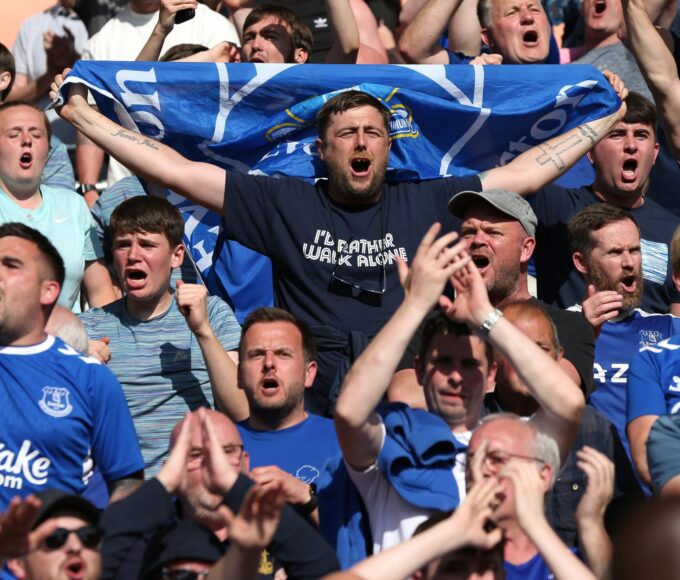
Matchday revenue remains a foundational pillar for many football clubs, representing the direct financial contribution of their most loyal supporters. While its proportion relative to other streams has shifted over time, especially for elite clubs, it continues to be a vital source of income and a direct link to the fan base.
Ticket Sales & Season Tickets
The most straightforward form of matchday income comes from selling tickets for individual games and season tickets. Season ticket holders provide a guaranteed upfront income, offering financial stability and a strong indication of fan loyalty.
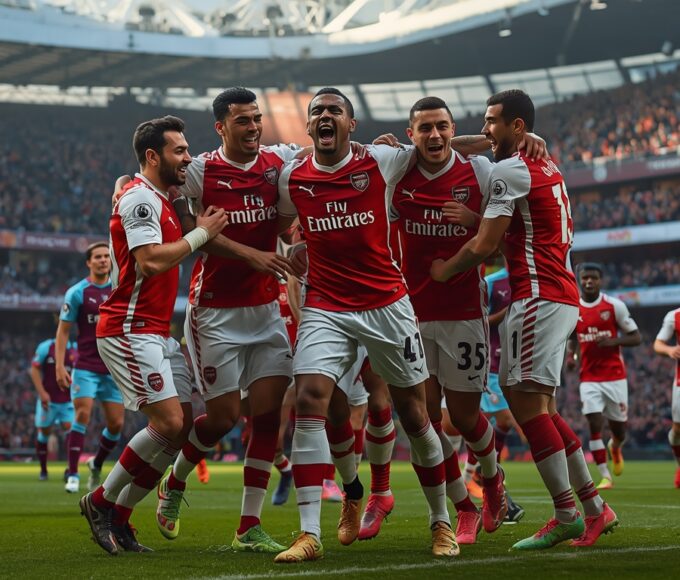
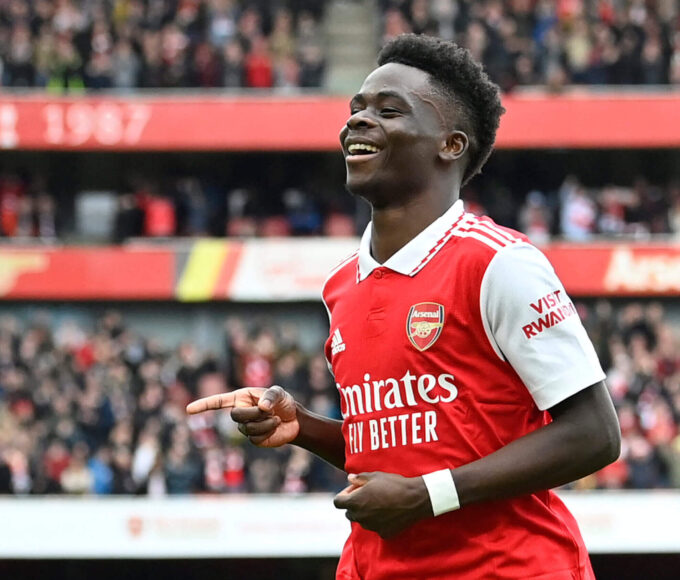
Practical Example: A club like Arsenal, with a large, dedicated fanbase, can sell over 45,000 season tickets annually for their 60,000-seat Emirates Stadium, generating tens of millions of pounds before a ball is even kicked.
Actionable Takeaway: Clubs actively manage ticket pricing strategies, offering various tiers (e.g., adult, concession, family packages) and loyalty schemes to maximize attendance and revenue while maintaining fan accessibility.
Hospitality & Premium Experiences
Beyond standard tickets, clubs offer premium seating, corporate boxes, and hospitality packages. These often include fine dining, exclusive access, and networking opportunities, catering to businesses and affluent fans.
Practical Example: Manchester United’s Old Trafford offers executive boxes and various lounge memberships (e.g., Museum Post Match Dining) that can cost thousands of pounds per season, providing a significant uplift in per-fan revenue compared to general admission.
Actionable Takeaway: Investing in high-quality hospitality infrastructure and service can unlock substantial high-margin revenue, attracting corporate clients and high-net-worth individuals who value exclusive experiences.
Concessions & Merchandise at the Stadium
Inside the stadium, fans spend money on food, beverages, and club merchandise. These point-of-sale revenues, while individually small, accumulate to a significant sum over a season.
Practical Example: A busy matchday at Wembley Stadium for an FA Cup final can see millions spent on pies, hot dogs, beers, and official souvenirs across its numerous outlets.
Actionable Takeaway: Clubs can optimize this stream by offering diverse food and beverage options, efficient service, and strategically placed merchandise stalls, often leveraging partnerships with catering and retail specialists.
Global Reach: Broadcasting & Media Rights
Broadcasting revenue has become the single largest income stream for many top-tier football clubs, especially those in major European leagues. The global appeal of football means media companies pay colossal sums for the rights to air matches.
Domestic & International TV Deals
Leagues sell the rights to broadcast their matches to television networks and streaming platforms. These deals are often negotiated centrally by the league, with revenues then distributed among the participating clubs based on various factors like league position, appearances, and facility fees.
Practical Example: The English Premier League’s domestic and international broadcasting rights deals are worth billions of pounds over a multi-year cycle, making it the richest football league globally. A club finishing top can earn over £150 million annually just from these rights.
Actionable Takeaway: Clubs need to consistently perform well in their respective leagues to maximize their share of these lucrative central distributions, as higher league finishes often equate to greater revenue.
Competition Prize Money
Participation and success in cup competitions (domestic and continental, like the UEFA Champions League or Europa League) bring significant prize money. The deeper a club progresses, the greater their financial reward.
Practical Example: Reaching the final stages of the UEFA Champions League can net a club well over €100 million in prize money alone, not including additional matchday and broadcast revenues generated by those games.
Actionable Takeaway: Investing in a squad capable of competing in and advancing through major cup competitions is not just about prestige but also a direct path to substantial financial returns.
Digital Content & Streaming
Beyond traditional TV, clubs are increasingly leveraging their own digital platforms, social media, and direct-to-consumer streaming services to engage fans and generate revenue. This can include exclusive behind-the-scenes content, club-specific streaming passes, and partnerships with digital platforms.
Practical Example: Real Madrid and Barcelona boast hundreds of millions of social media followers, which they monetize through sponsored posts, exclusive content subscriptions, and partnerships with platforms like YouTube and Facebook.
Actionable Takeaway: Developing a robust digital strategy, creating compelling content, and exploring direct-to-fan monetization models can build a global audience and open new revenue avenues, reducing reliance on traditional broadcasters.
Beyond the Pitch: Commercial Partnerships & Sponsorships
Commercial revenue encompasses a wide array of income generated from branding, marketing, and partnerships. This stream has seen explosive growth as clubs recognize the power of their brand beyond the ninety minutes of play.
Kit Sponsors & Official Partners
This includes the lucrative deals for main shirt sponsors, kit manufacturers, training ground sponsors, and a host of official partners across various categories (e.g., official airline, official car, official soft drink).
Practical Example: A top club like Paris Saint-Germain can command over €50 million annually for their main shirt sponsorship deal, with their kit manufacturer deal (e.g., Nike/Jordan) adding even more.
Actionable Takeaway: Clubs must proactively market their global brand appeal to potential sponsors, demonstrating reach and engagement metrics to secure high-value, long-term partnerships that align with their brand identity.
Merchandise & Licensing
Sales of replica kits, training wear, and a vast array of branded merchandise (scarves, mugs, keyrings, etc.) contribute significantly. Licensing deals allow third-party manufacturers to use the club’s intellectual property in exchange for royalties.
- Practical Example: Liverpool FC’s global appeal drives millions in merchandise sales annually, not











Leave a comment