














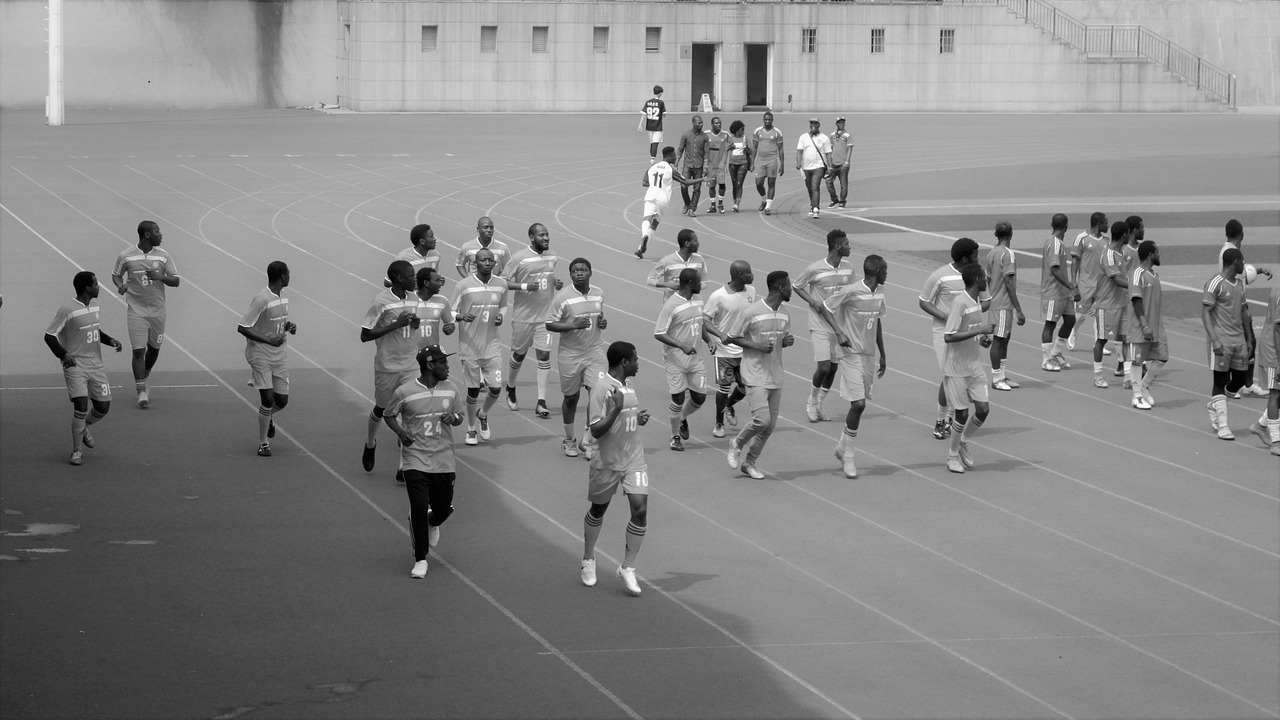
The roar of the crowd, the flash of the cameras, and the sheer athleticism on display – African women’s football is no longer just a whisper but a powerful, resonating shout on the global stage. From dusty pitches in local communities to the grand arenas of the FIFA Women’s World Cup, the journey of female footballers across Africa is a testament to unwavering passion, resilience, and a rapidly accelerating trajectory of progress. This vibrant growth is not just about sport; it’s about empowerment, breaking barriers, and showcasing the immense talent and potential that has long been simmering on the continent.
A Decade of Unprecedented Growth and Visibility
The last ten years have marked a significant turning point for African women’s football, transforming it from a niche interest into a burgeoning spectacle capturing international attention. This era has seen a dramatic uplift in talent recognition, player development, and the overall profile of the game.
Rising Talent and Global Recognition
African female footballers are increasingly becoming household names, signing professional contracts with top clubs across Europe, Asia, and North America. Their exceptional skills and dedication are undeniable.
Star Power: Players like Nigeria’s Asisat Oshoala, a five-time African Women’s Player of the Year, has shone brightly at FC Barcelona Femení, winning multiple league titles and the UEFA Women’s Champions League. Her consistent performance exemplifies the quality emerging from the continent.
Impactful Performances: Thembi Kgatlana of South Africa, known for her blistering pace and goal-scoring ability, has graced leagues in the USA and Europe, while Cameroon’s Ajara Nchout Njoya has made significant contributions in Norway and Italy.
Actionable Takeaway: Scouting networks need to further expand their reach into African leagues to identify and nurture this rich talent pool earlier, providing more pathways for professional development.
Increased Participation and Grassroots Development
The foundation of any successful footballing nation lies in its grassroots. Africa is witnessing a surge in young girls and women taking up the sport, driven by inspiration and improved access.
Youth Initiatives: Programs like the CAF Women’s Football Strategy and FIFA Forward projects are channeling funds and expertise into youth academies and regional competitions. These initiatives focus on providing structured training, equipment, and safe environments for girls to play.
Local Leagues Flourish: Many countries are seeing the establishment or strengthening of local women’s leagues, which serve as crucial development grounds. For instance, the Nigerian Women’s Football League (NWFL Premiership) and the South African Sasol League are becoming more competitive and organized, fostering local talent.
Actionable Takeaway: Continued investment in school-level football programs and community-based clubs is essential to widen the participation base and identify talent from the earliest possible age.
Strengthening Domestic Leagues and Infrastructure
The backbone of any strong national team is a robust domestic league. African nations are making strides in professionalizing their women’s leagues, attracting investment, and improving the overall footballing ecosystem.
Professionalization and Investment
The shift towards professionalization is critical for retaining talent and ensuring player welfare. This involves better contracts, improved facilities, and increased media coverage.
League Development: The South African Sasol League, with its regional structure culminating in a national championship, has been instrumental in providing a platform for thousands of players. Similarly, the NWFL Premiership in Nigeria is working towards securing better sponsorship deals and improving player remuneration.
Sponsorship Growth: While still lagging behind men’s football, there’s a growing interest from corporate sponsors. These partnerships are vital for funding operations, player salaries, and youth development programs.
Actionable Takeaway: National federations must actively pursue long-term corporate sponsorships and implement minimum wage standards for players to ensure financial stability and attract more athletes to professional football.
Coaching and Technical Development
The quality of coaching is paramount. Efforts are being made to upskill coaches and increase the number of qualified female coaches, providing role models and tailored guidance.
CAF Licensing Courses: The Confederation of African Football (CAF) regularly organizes coaching courses, including specific modules for women’s football, enabling more coaches to attain professional licenses (e.g., CAF B, A licenses).
Female Coaches as Leaders: Increasing the number of female coaches at all levels provides invaluable mentorship and understanding of the unique challenges and opportunities for female athletes. Desiree Ellis, head coach of the South African national team (Banyana Banyana), is a shining example of successful female leadership.
Actionable Takeaway: Federations should establish mentorship programs linking experienced coaches with aspiring female coaches and offer scholarships for advanced coaching certifications.
Overcoming Challenges: A Test of Resilience
Despite the impressive progress, African women’s football still faces significant hurdles. Addressing these challenges is crucial for sustained growth and achieving its full potential.
Funding Disparities and Resource Scarcity
The most pervasive challenge remains the stark difference in funding and resources compared to men’s football. This impacts everything from facilities to player welfare.
Unequal Budgets: Women’s teams often operate on shoestring budgets, affecting travel, accommodation, training equipment, and medical support. This directly impacts performance and player retention.
Limited Infrastructure: Many teams lack access to quality training pitches, gyms, and modern facilities, forcing players to train in suboptimal conditions.
Actionable Takeaway: Governments and football federations must allocate equitable budgets for women’s football, mirroring the investment in men’s programs, and actively seek specific funding for infrastructure upgrades.
Social and Cultural Barriers
Deep-seated societal norms and cultural perceptions can often hinder the participation and progression of women in football.
Stere











Leave a comment