






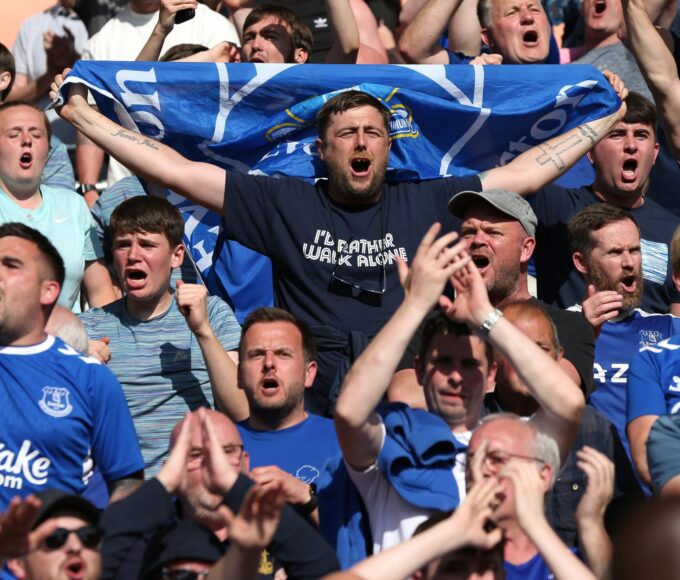
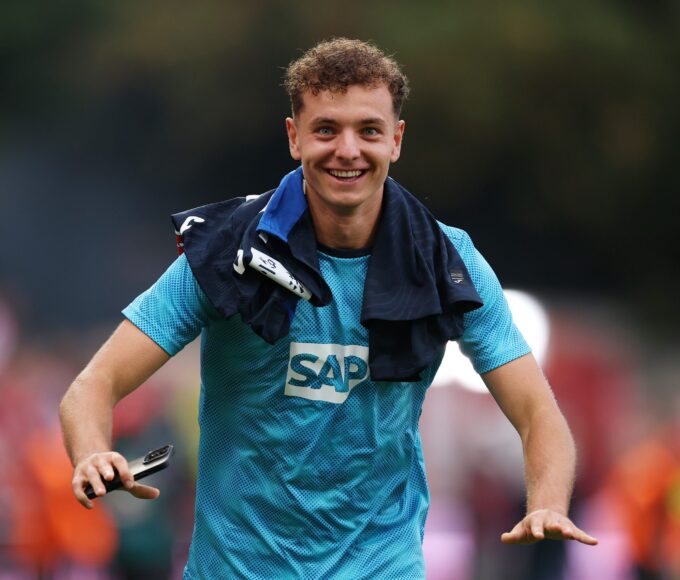

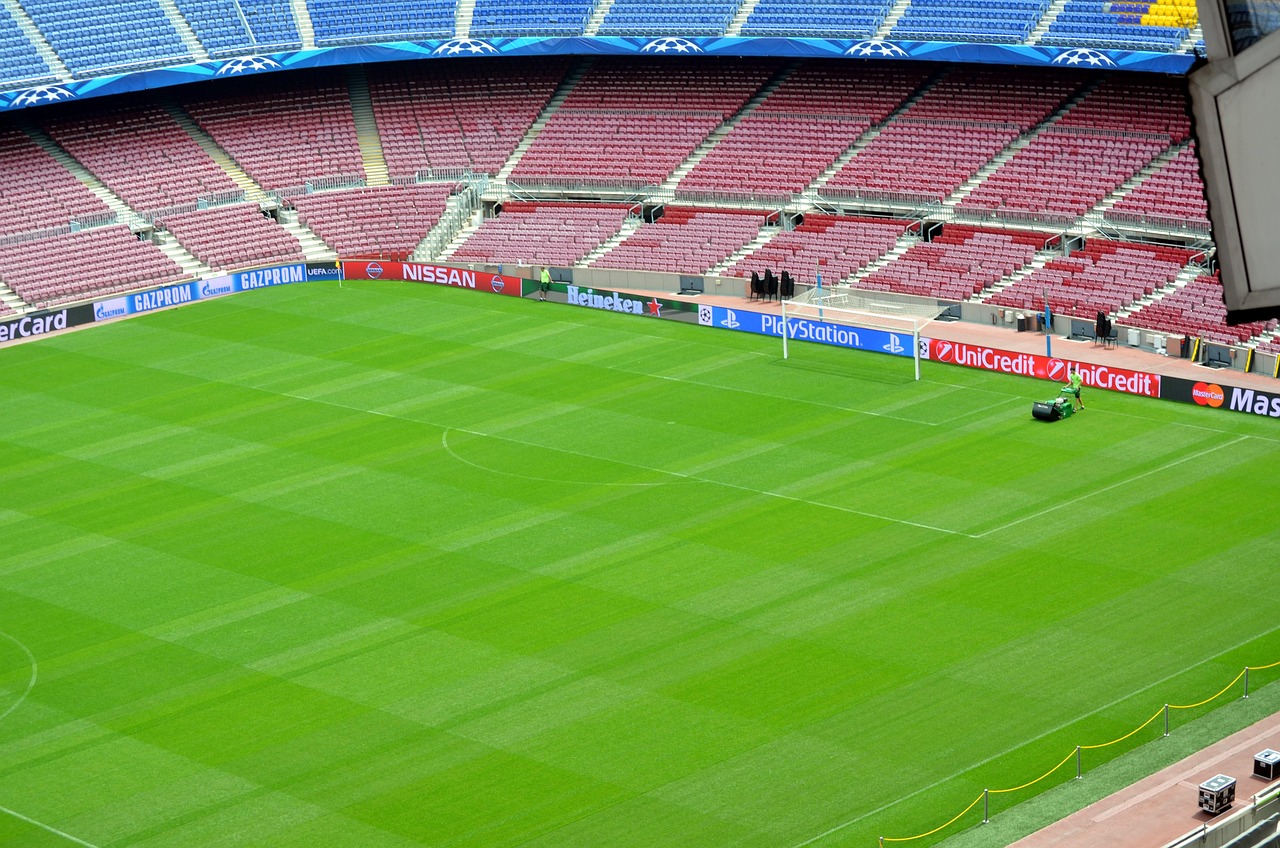
The roar of the crowd, the sea of scarves, the unwavering loyalty through thick and thin – these are the hallmarks of football fandom. For many, a football club is more than just a sports team; it’s a community pillar, a source of identity, and a generational bond. But what happens when that sacred connection feels threatened by those at the helm? Increasingly, fans are taking a stand, transforming their passion into powerful protests against club ownership, demanding accountability, transparency, and a return to the values they hold dear. This blog post delves into the multifaceted world of fan activism, exploring the deep-seated reasons, diverse methods, and profound impact of these pivotal movements on the beautiful game.
The Roots of Discontent: Why Fans Protest Club Ownership
The decision for fans to transition from cheering to protesting is rarely taken lightly. It stems from a profound sense of betrayal or neglect, often after years of mounting frustration. These grievances typically fall into several key categories, eroding trust between supporters and those who control their beloved clubs.
Financial Mismanagement and Debt
One of the most common triggers for fan unrest is the perceived financial mismanagement of a club. Owners who load clubs with debt, prioritize personal gain over sustainable growth, or make questionable financial decisions often face fierce backlash.
Risk to Club Survival: Instances like the tragic demise of Bury FC, a club with over 125 years of history, due to severe financial mismanagement, serve as stark warnings. Fans witnessed their club spiraling into administration and ultimately expulsion from the Football League, fueling widespread anger and calls for greater oversight.
Lack of Investment: Supporters expect profits to be reinvested into the club, whether through player acquisitions, academy development, or stadium improvements. When funds are siphoned off or simply disappear, it breeds resentment.
Sporting Underperformance and Lack of Ambition
While fans understand the ebb and flow of sporting success, a sustained period of underperformance, especially when coupled with a perceived lack of ambition








Leave a comment