











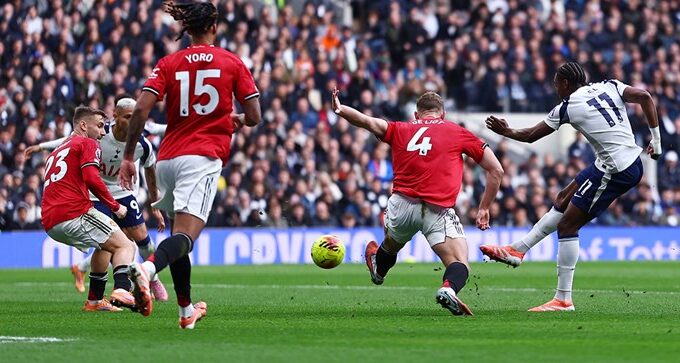









The footballing world is a relentless arena, a high-stakes drama where fortunes can turn in an instant. Few events capture this volatility quite like the mid-season sacking of a manager. It’s a moment of profound crisis and desperate hope, a club’s ultimate gamble to salvage a season spiraling out of control. This drastic measure, often met with a mix of shock and anticipation from fans, signals a pivotal juncture for any team, carrying with it a whirlwind of immediate consequences and long-term implications that ripple through every facet of the organization.
The Triggers: Why Clubs Pull the Plug Mid-Season
Managerial changes mid-season are rarely made lightly. They represent a significant financial outlay and a disruption to the club’s stability. However, certain critical factors often force the hand of even the most patient boards.
Poor Performance & Underachievement
The most obvious and frequent catalyst for a mid-season sacking is a sustained period of poor results.
Failure to Meet Expectations: A team expected to challenge for titles or European qualification might find itself languishing in mid-table or, worse, battling relegation. Consecutive losses or long winless streaks erode confidence and patience.
Tactical Stagnation: Sometimes, the manager’s tactics become predictable, or they fail to adapt to opponents, leading to repetitive, uninspiring performances despite a talented squad.
Falling Out of Contention: For cup competitions or promotion races, a series of poor results can effectively end a club’s ambitions for the season, prompting a change to try and rescue something from the wreckage.
Example:* A club with a top-six budget consistently loses to lower-ranked teams, dropping out of the top half by December. The board












Leave a comment