














The roar of the crowd, the vibrant colours, and the electrifying talent on display – African football is more than just a game; it’s a cultural phenomenon, a source of immense pride, and increasingly, a burgeoning investment frontier. With a youthful population, an insatiable passion for the sport, and a growing global spotlight, the continent is rapidly transforming from a talent exporter to a significant player in the global football economy. Savvy investors are now recognizing the immense, often untapped, potential within African football, making strategic moves that promise substantial returns and contribute to the sport’s development across the continent. This shift signals a new era, moving beyond mere philanthropy to serious, sustainable commercial engagement.
The Allure of African Football: Why Invest Now?
Africa presents a compelling case for football investment, driven by unique demographic and cultural factors that set it apart from more saturated markets. The continent’s inherent passion for the sport, combined with its demographic dividend, creates a fertile ground for growth and profitability.
Untapped Talent Pool
Africa is a perpetual wellspring of world-class footballing talent, consistently producing players who dominate European leagues and global competitions.
Demographic Advantage: With the youngest population globally, Africa has a vast and growing pool of athletic potential. This youth bulge ensures a continuous supply of emerging talent.
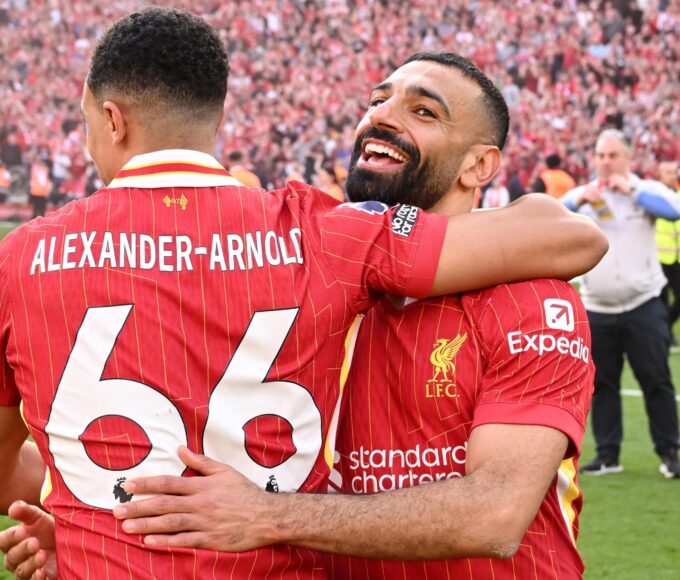
Global Superstars: Players like Mohamed Salah, Sadio Mané, Victor Osimhen, and Achraf Hakimi are not just African heroes; they are global icons, demonstrating the continent’s ability to produce top-tier athletes. Their success fuels aspirations and highlights the quality achievable with the right development.
Actionable Takeaway: Investing in grassroots football, scouting networks, and regional talent identification programs offers direct access to the next generation of footballing giants. These investments can yield significant returns through player transfers and development.
Growing Fan Base & Market Potential
The passion for football in Africa is unparalleled, translating into a massive and engaged consumer market.
Cultural Significance: Football is deeply embedded in the social fabric of African nations, making it an incredibly powerful tool for brand engagement and community connection.
High Viewership & Engagement: Major tournaments like the Africa Cup of Nations (AFCON) command massive viewership across the continent and globally. Local league matches also attract significant crowds and digital engagement.
Rising Disposable Income: While varying by region, many African economies are experiencing growth, leading to an expanding middle class with increasing disposable income, ready to spend on sports merchandise, tickets, and related services.
Actionable Takeaway: Brands and investors can capitalize on this fervent fan base through targeted sponsorships, merchandise licensing, and fan engagement platforms, building strong brand loyalty and generating diverse revenue streams.
Key Investment Avenues: Where the Money is Flowing
The landscape of African football investment is diversifying, with capital flowing into several critical areas essential for sustainable growth and modernization. These avenues represent both foundational development and commercial opportunities.
Infrastructure Development
Modern, safe, and well-equipped infrastructure is fundamental to elevating the standard of African football and unlocking its commercial potential.
Stadiums & Training Facilities: There’s a significant need for world-class stadiums capable of hosting international tournaments and offering enhanced fan experiences. Similarly, modern training facilities are crucial for player development.
Examples: Morocco’s ongoing investment in state-of-the-art stadiums and training centres as part of its World Cup bids demonstrates a commitment to infrastructure. Other nations are slowly following suit, often through public-private partnerships.
Benefits: Improved infrastructure attracts major tournaments, enhances player safety and performance, increases matchday revenues, and can serve as multi-purpose community hubs.
- Actionable Takeaway: Investors can explore opportunities in building, renovating, or managing sports facilities, potentially through concession agreements or joint ventures with local governments or football federations.
Youth Academies & Talent Development
Nurturing young talent from an early age is the bedrock of long-












Leave a comment