
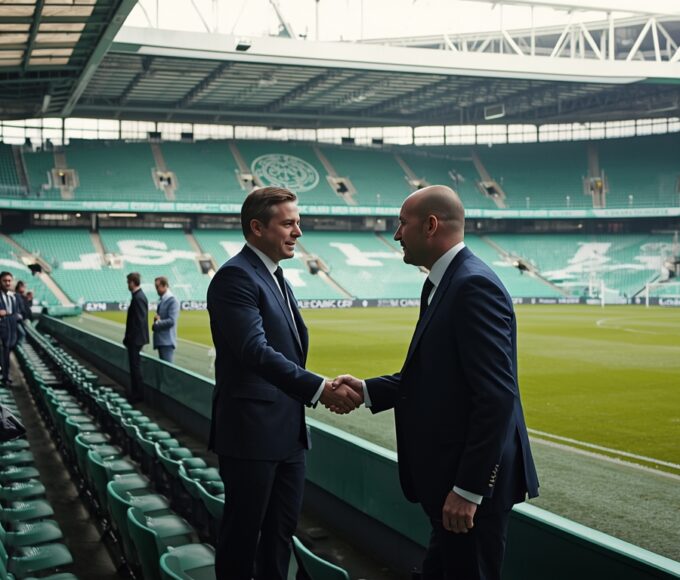











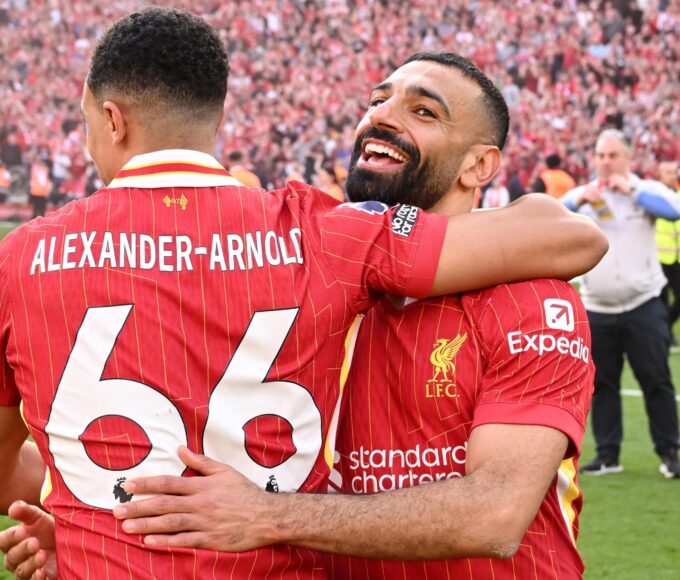








The roar of the crowd, the thrill of victory, the shared passion that defines football – it’s a world built on dreams and aspirations. Yet, behind the dazzling lights and multi-million-pound contracts, many football clubs grapple with a silent, insidious threat: mismanagement. This often-overlooked aspect can unravel years of success, alienate loyal fans, and ultimately drive a club into obscurity or even extinction. Understanding the multifaceted nature of mismanagement is crucial for safeguarding the sport’s future and ensuring clubs can thrive both on and off the pitch.
Financial Follies and Debt Spirals
Financial mismanagement stands as one of the most common and devastating forms of poor governance in football. The allure of immediate success often tempts clubs into unsustainable spending, leading to long-term financial instability.
Overspending on Transfers and Wages
Many clubs fall into the trap of an “arms race” in the transfer market, paying exorbitant fees and inflated wages for players, often without a clear return on investment.
Inflated Player Valuations: Overpaying for talent based on hype rather than strategic fit or long-term potential. This can lead to significant amortization costs on the balance sheet.
Unsustainable Wage Bills: Handing out lucrative contracts to underperforming players, creating a significant fixed cost burden that is hard to shed. This was a contributing factor to the financial woes of clubs like Portsmouth, who famously entered administration despite recent FA Cup glory.
Agent Fees: The ever-increasing fees paid to player agents further drain club resources, often reaching double-digit percentages of transfer fees and player wages.
Poor Revenue Generation and Diversification
An over-reliance on a single revenue stream, such as broadcast rights, leaves clubs vulnerable to market fluctuations and competitive pressures.
Neglecting Commercial Partnerships: Failing to aggressively pursue and maintain diverse sponsorship deals, merchandise sales, and other commercial ventures.
Underutilizing Matchday Revenue: Not maximizing stadium capacity, hospitality offerings, and other fan experiences that can boost income on game days. Many smaller clubs fail to invest in modern facilities that could attract more fans and sponsors.
Lack of Global Brand Building: For larger clubs, failing to expand their brand internationally through digital content, academies, and fan engagement initiatives in lucrative foreign markets.
Ignoring Financial Fair Play (FFP) Regulations
Introduced by










Leave a comment