












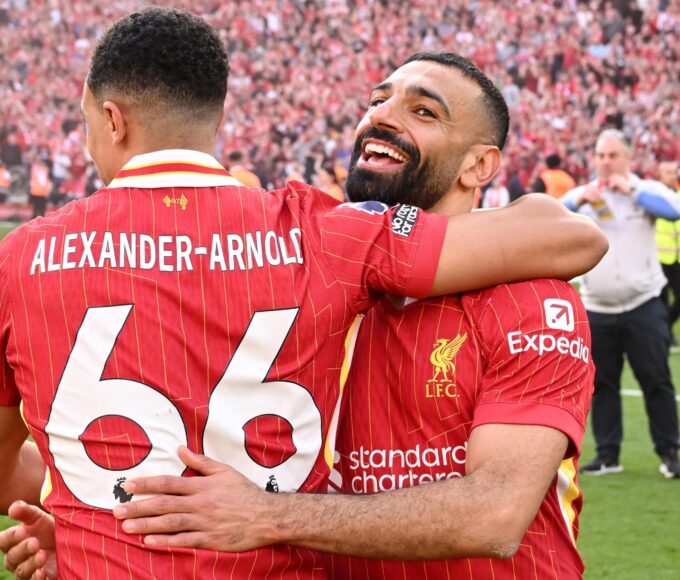








In the dynamic world of sports, where billion-dollar deals, global fanbases, and cutting-edge technology dominate headlines, there’s a quiet, yet profound, struggle unfolding within many clubs: the battle to preserve their soul. Club identity and heritage are the bedrock upon which loyalty is built, communities are united, and legends are born. Yet, under the relentless pressures of modernization, commercialization, and globalization, this invaluable legacy often faces erosion, risking the very essence that makes a club unique and beloved. Understanding this threat and actively working to safeguard a club’s heritage isn’t just about nostalgia; it’s a strategic imperative for long-term sustainability, authentic fan engagement, and enduring success.
The Unseen Fabric: Defining Club Identity and Heritage
Club identity is far more than just a logo or a team’s colors; it’s the sum of its history, values, traditions, and the community it represents. This intricate tapestry provides a sense of belonging and continuity, connecting generations of fans to a shared story.
What Constitutes a Club’s Identity?
The core elements that forge a club’s unique character are often intangible but incredibly powerful.
Historical Narratives: Founding stories, iconic matches, legendary players, moments of triumph and adversity.
Core Values: Principles like resilience, community spirit, fair play, or innovation that have guided the club.
Local Culture and Community Ties: The socio-economic context of its origins, local dialects, traditions, and its role as a community hub.
Symbols and Rituals: Crests, anthems, chants, stadium architecture, pre-match routines, and fan gatherings.
Sporting Philosophy: A distinctive style of play or approach to player development (e.g., youth academy focus).
Why Heritage is a Strategic Asset
In an increasingly commodified sports landscape, authenticity and distinctiveness are paramount. A strong heritage offers competitive advantages that extend beyond the field.
Deepened Fan Loyalty: Fans feel a personal connection, fostering unwavering support even during challenging times. Research often indicates that emotional attachment is a stronger predictor of loyalty than performance alone.
Brand Differentiation: A rich history provides a unique selling proposition, distinguishing a club from rivals and generic sports entertainment. It creates an authentic narrative that resonates globally.
Community Cohesion: The club acts as a unifying force, strengthening local bonds and providing a sense of shared pride and purpose. This generates goodwill and local support.
Commercial Value: A strong, authentic brand with a compelling story can attract premium sponsors, increase merchandise sales, and drive higher engagement across all platforms.
Actionable Takeaway: Clubs should regularly audit their core identity elements, engaging fans and local historians to ensure a comprehensive understanding of what truly defines them. This foundational knowledge is crucial for any future strategy.
The Silent Erosion: Causes of Heritage Loss
Despite its undeniable value, club heritage is constantly under threat from various internal and external pressures. This erosion often happens gradually, making it difficult to detect until significant damage is done.
Commercial Pressures and Globalization
The pursuit of revenue often leads to decisions that inadvertently dilute identity.
Rebranding for Global Appeal: Changing club names, crests, or colors to appeal to broader international markets, sometimes alienating the loyal local fanbase. *Example: The backlash against some












Leave a comment