











The roar of the crowd, the thrill of the match, the passion for the beautiful game – football transcends mere sport, evolving into a powerful engine for urban transformation. Beyond the 90 minutes on the pitch, major football clubs and events are increasingly becoming catalysts for massive real estate development projects. These ventures are reshaping cityscapes, driving economic growth, and creating vibrant new communities, demonstrating that the impact of football extends far beyond the stadium walls.
The Evolution of Stadiums: Beyond the Game Day Venue
Modern football stadiums are no longer just arenas for sporting events; they are sophisticated, multi-functional complexes designed to generate revenue and serve communities year-round. This shift marks a significant evolution in how clubs and developers approach sports infrastructure.
From Simple Bowls to Modern Arenas
Historically, football stadiums were often simple concrete bowls, designed purely for viewing matches with minimal ancillary facilities. Think of the old Wembley Stadium or many traditional grounds across Europe. Today’s stadiums, however, are architectural marvels, incorporating advanced technology, premium hospitality, and extensive fan amenities. This evolution reflects a broader understanding of real estate value, moving from basic utility to comprehensive experience.
The Rise of Multi-Purpose Design
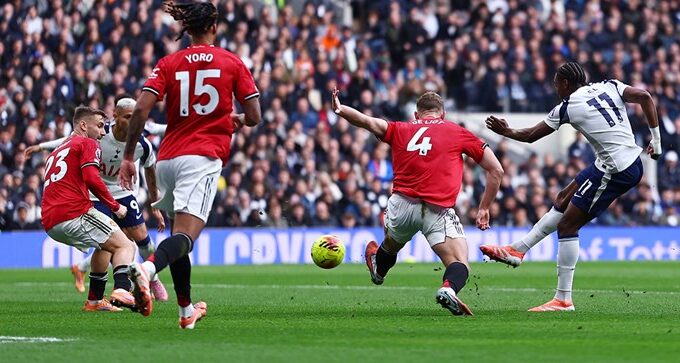
The most successful football real estate developments integrate multi-purpose design principles. These facilities are built not only for football matches but also for concerts, corporate events, conferences, and even community sports. This versatility ensures a higher utilization rate and diverse revenue streams, making the massive investment in stadium construction more financially viable. For instance, Tottenham Hotspur Stadium in London was specifically designed with a retractable pitch to host NFL games and concerts, alongside its primary use for Premier League football.
Actionable Takeaway: Developers should prioritize flexible design and infrastructure to maximize asset utilization and future-proof investments.
Football Stadiums as Catalysts for Urban Regeneration
The construction or redevelopment of a major football stadium often acts as a powerful magnet for urban regeneration, breathing new life into neglected or underdeveloped areas. This effect extends far beyond the immediate vicinity of the stadium itself.
Driving Economic Growth and Investment
A new stadium project can be a significant economic driver. It attracts direct investment in construction, creates thousands of jobs (both temporary and permanent), and stimulates local businesses. Property values in the surrounding areas typically experience an uplift as improved infrastructure, amenities, and increased foot traffic make the location more desirable. The development often encourages further private investment in retail, hospitality, and residential properties.
Example: The development around Manchester City’s Etihad Stadium in East Manchester has been a cornerstone of the broader regeneration of the area, attracting significant investment and transforming a former industrial zone into a vibrant community hub.
Revitalizing Neglected Areas
Many stadium projects are strategically located in areas ripe for regeneration – often former industrial sites, brownfields, or economically depressed neighborhoods. By anchoring these developments, stadiums become focal points for comprehensive revitalization efforts. They bring improved public transport links, new public spaces, and enhanced security, all contributing to a safer and more attractive environment.
Benefit: These projects often lead to a significant reduction in crime rates and an increase in civic pride.
Creating Vibrant Community Hubs
Beyond economic benefits, football real estate developments aim to create vibrant community hubs. This includes accessible public parks, community sports facilities, educational centers, and spaces for local events. The goal is to integrate the stadium into the fabric of the neighborhood, ensuring it serves residents beyond match days.
Actionable Takeaway: Successful urban regeneration requires genuine community engagement and the provision of amenities that benefit local residents, not just match-day visitors.
The Mixed-Use Development Model: A Winning Strategy
The most impactful football real estate projects embrace a mixed-use development model, integrating various property types around the stadium to create self-sustaining ecosystems. This approach maximizes return on investment and enhances the overall urban experience.
Integrating Residential, Commercial, and Leisure
Mixed-use developments typically combine:
Residential: Apartments, condominiums, or even single-family homes, often with premium views of the stadium or surrounding green spaces.
Commercial: Office spaces, retail outlets (ranging from fan shops to high-street brands), and diverse food and beverage options.
- Leisure & Hospitality: Hotels, entertainment venues, cinemas, health clubs, and public parks.
This integration creates a dynamic environment where people can live, work, shop, and play, all within walking distance of the stadium











Leave a comment