
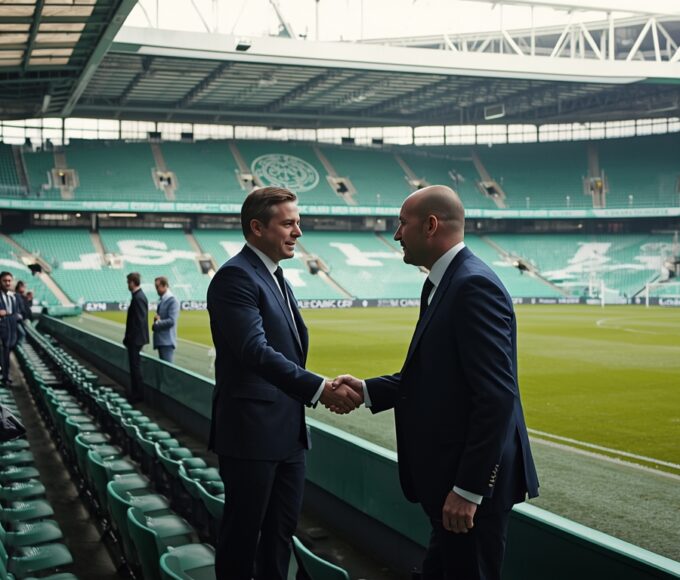









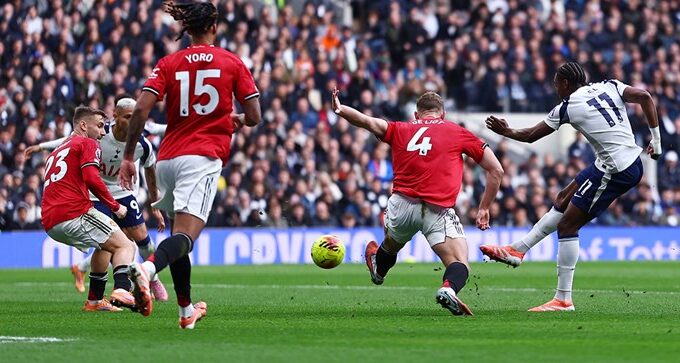







Football is more than just a game; it’s a global phenomenon, a cultural touchstone, and increasingly, a powerful catalyst for monumental real estate development. The roar of the crowd, the thrill of competition, and the unifying power of the beautiful game are now driving forces behind some of the most ambitious urban regeneration projects worldwide. Modern football stadiums are no longer isolated concrete bowls but meticulously planned epicenters of mixed-use communities, transforming cityscapes and generating significant economic value far beyond match days. This convergence of sports and strategic urban planning is redefining how we think about property, investment, and the future of our cities.
The Evolution of Stadiums: From Arenas to Urban Hubs
The days of monolithic stadiums standing dormant for most of the year are rapidly fading. Today’s football real estate projects embrace a vision where the stadium is merely the anchor for a much larger, vibrant ecosystem. This shift reflects a deeper understanding of how to maximize asset utilization and create enduring value.
Beyond the Pitch: Multifunctional Design
Modern stadium design prioritizes versatility, ensuring the venue can host a diverse range of events beyond football matches. This multi-functionality is key to generating consistent revenue and integrating the stadium into the urban fabric year-round.
Retractable Roofs and Pitches: Allow for various sports, concerts, and conventions, regardless of weather.
Premium Event Spaces: Executive boxes, lounges, and club areas are designed to host corporate events, weddings, and conferences.
Integrated Technology: High-speed Wi-Fi, giant screens, and interactive fan experiences enhance every event.
Concert-Ready Infrastructure: Sound systems, staging points, and backstage facilities built for major musical acts.
Example: Tottenham Hotspur Stadium in London is a prime example, featuring a retractable pitch that reveals an NFL-standard artificial turf underneath, along with a state-of-the-art concert venue design. This flexibility allows it to host Premier League football, NFL games, and major music acts, maximizing its utility.
Integrated Mixed-Use Development
The surrounding land is increasingly being developed into comprehensive mixed-use communities, creating a symbiotic relationship with the stadium. These developments are meticulously planned to attract residents, businesses, and visitors alike.
Residential Units: Apartments, condominiums, and townhouses catering to diverse demographics, from young professionals to families.
Retail and Commercial Spaces: Flagship stores, local boutiques, office towers, and co-working spaces attract businesses and shoppers.
Hotels and Hospitality: Accommodating visiting fans, business travelers, and tourists, boosting local tourism.
Entertainment Districts: Cinemas, arcades, family entertainment centers, and cultural venues create vibrant hubs.
Actionable Takeaway: Developers must think holistically about the entire ecosystem, designing spaces that complement each other and foster a sense of community, ensuring the project thrives beyond just game days.
Economic Impact and Urban Regeneration
Football real estate development projects are not just about building structures; they are powerful engines for economic growth and urban revitalization. They inject significant capital, create jobs, and stimulate broader economic activity in their surrounding areas.
Job Creation and Local Investment
The scale of these projects demands a massive workforce, from construction to ongoing operations, providing a substantial boost to local economies.
Construction Jobs: Thousands of temporary jobs during the building phase, including skilled trades, project management, and labor.
Operational Jobs: Permanent roles in stadium management, hospitality, security, retail, and maintenance.
Supply Chain Opportunities: Local businesses benefit from contracts for materials, services, and provisions.
Indirect Job Creation: Growth in supporting industries like transportation, accommodation, and local services.
Statistic: A major stadium project can represent an investment of over $1 billion, supporting tens of thousands of jobs throughout its lifecycle. For instance, the development around Atlanta’s Mercedes-Benz Stadium has been credited with stimulating significant economic activity and job growth in the surrounding Westside neighborhoods.
Boosting Property Values and Tax Revenue
Strategic stadium developments can act as anchors for new investment, driving up property values and increasing tax revenues for local governments.
Increased Foot Traffic: Enhances commercial viability for surrounding businesses, attracting new tenants.
Demand for Housing: Proximity to a major entertainment hub and job center increases desirability for residential properties.
- Property Tax Revenue: Higher











Leave a comment